5 Best Blossom App Alternatives in 2026
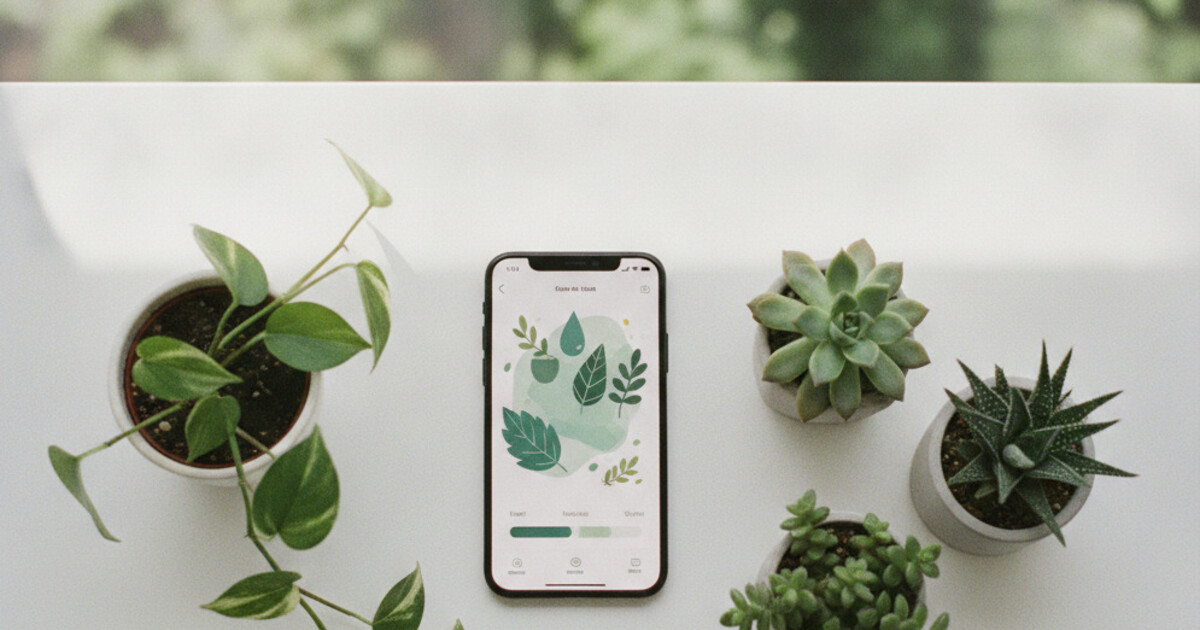
Blossom is a beautifully designed plant care app, and for a lot of people, that’s enough. The care reminders are thoughtful, the plant journal is clean, and the collection tracker is polished. But when a plant starts dropping leaves or developing spots, Blossom can’t tell you why. It sends a watering reminder, not a diagnosis. That single gap sends a lot of people looking for something else.
If you’re searching for a Blossom app alternative in 2026, the options range from free species ID tools to apps that diagnose plant diseases from a photo. The right choice comes down to what Blossom wasn’t doing for you.
The best Blossom app alternatives in 2026 are PlantlyAI (best for diagnosing sick plants), Greg (best adaptive watering reminders), Planta (most detailed care schedules), PictureThis (strongest plant ID), and PlantNet (completely free species identification). The right pick depends on the gap Blossom wasn’t filling for you.
What Blossom Does (and Where It Falls Short)
Blossom’s watering reminder system is genuinely well-built. It creates a per-plant schedule based on species, pot type, and season, and the growth photo journal helps you track changes over time. For people who mainly need structure and reminders, it works well.
Plant care apps fall into two distinct categories, and knowing which type you need makes picking an alternative much easier. Reminder apps like Blossom and Greg solve the forgetting problem: they build watering schedules and send push notifications when a plant needs attention. Diagnosis apps like PlantlyAI and PictureThis solve the recognition problem: they identify diseases, pests, nutrient deficiencies, and overwatering damage from a photo, then return a step-by-step treatment plan. The two categories barely overlap. PictureThis covers some ground in both camps, offering basic disease detection alongside its large species ID database, but no reminder app includes disease diagnosis. The National Gardening Association’s 2021 survey found 18.3 million new American gardeners took up gardening during 2020, the largest single-year increase on record, and most arrived without the experience to recognize plant disease symptoms early. Reminder apps help healthy plants stay healthy. Diagnosis apps help when something has already gone wrong.
The second issue is cost. Blossom’s free tier is capped, and the subscription runs annually, which adds up if you’re not actively using all the reminder features.
The 5 Best Blossom App Alternatives in 2026
1. PlantlyAI: Best for Diagnosing Sick Plants
If the reason you’re leaving Blossom is because one of your plants is struggling, PlantlyAI is the first one to try.
Snap a photo of the affected part of the plant and the app identifies the disease, pest, or problem: from yellowing leaves and mushy stems to brown spots and fungal mold. The result includes a step-by-step treatment plan with organic, biological, and chemical options, so you can choose based on what you’re comfortable applying.
PlantlyAI also does species identification and has a searchable plant disease library for browsing before problems hit. It works across houseplants, garden plants, vegetables, trees, and crops. Prevention tips come with each diagnosis too.
Pricing: 2 free diagnoses per day with no account required to start. A paid tier removes the daily limit. Available on iOS and Android.
Honest limit: no watering reminders, no care schedule. For those features, pair it with Greg.
2. Greg: Best Adaptive Watering Reminders
Greg is the closest replacement for what Blossom actually does well.
The watering algorithm adjusts based on the light levels you report, your pot type, and the time of year. Reminders feel less generic than most apps because they account for your specific home conditions. The community feature lets you see how other owners care for the same species, which is useful when you’re unsure whether a care tip is universal or just one person’s preference.
Greg has a free tier with ads, which gives you the core reminder functionality without a subscription. The paid tier removes ads and unlocks additional tracking features.
No disease diagnosis is included. If a plant gets sick, you’d need a separate tool. But for the reminder and care-schedule job Blossom was filling, Greg is the strongest option here.
Pricing: Free with ads; paid tier for ad-free use and extra features. iOS and Android.
3. Planta: Most Detailed Care Schedules
Planta builds the most detailed per-plant maintenance plan of any app in this list. Beyond watering, it tracks fertilizing, misting, repotting, and cleaning, each customized to the species.
The standout feature is the built-in light meter, which reads your room’s actual light levels through the phone camera and factors those into each plant’s schedule. That makes the schedules more reliable than apps that rely on general light categories like low, medium, or bright.
The trade-off is cost. Planta Premium runs around the same as Blossom annually. If you’re leaving Blossom because of subscription fatigue, Planta trades one subscription for another. No disease diagnosis, either.
Pricing: Limited free tier; Planta Premium subscription for full features. iOS and Android.
4. PictureThis: Strongest Plant ID With Basic Disease Detection
PictureThis has the largest plant identification database here, covering over a million species with high accuracy. If identifying plants is your main need, it’s the best tool in this category.
It also includes basic disease detection alongside ID. For common, visually obvious problems like powdery mildew or spider mites, the disease feature works. For more ambiguous symptoms with multiple possible causes, the guidance is shallower than a dedicated diagnosis app.
The subscription cost is similar to Blossom. There’s a free trial, but check the auto-renewal terms before starting it.
Related: Is PictureThis Worth It? Honest Review (2026)
Pricing: Subscription required for full access; free trial available. iOS and Android.
5. PlantNet: Completely Free Species Identification
PlantNet has been running since 2009, backed by French research institutions including INRAE and CIRAD. You can use it at no cost, with no subscription and no trial that converts to a charge.
Photograph a leaf, flower, bark, or fruit and it matches against a large community-built database. Each confirmed ID feeds back into the research dataset, so you’re contributing to botanical science with each scan.
PlantNet identifies species and stops there. You won’t find watering reminders, disease diagnosis, or treatment plans. If you’re leaving Blossom specifically to escape subscriptions and only need to name plants, it covers that use case cleanly.
Pricing: Fully free. iOS, Android, and web.
Which App Fits Your Situation
The fastest way to pick is to name the specific gap you’re trying to fill.
Your plant looks sick or has visible symptoms: Download PlantlyAI first. The disease diagnosis and treatment plans are exactly what Blossom is missing, and 2 free scans per day covers most plant owners without spending anything.
You mainly want watering reminders: Greg is the closest replacement for Blossom’s core job. Its adaptive algorithm accounts for your home conditions, and the free tier works without a subscription.
You want detailed care schedules and you’re willing to pay for them: Planta is more precise than Blossom for per-plant care customization, especially if you want the light meter feature.
Plant ID is your main need: PictureThis is the most accurate for identification. PlantNet covers that same job at no cost if you want to avoid subscriptions entirely.
Many plant owners end up running 2 apps side by side: a reminder app for routine care and a diagnosis app for when something goes wrong. The two categories don’t overlap enough for one app to do both jobs well.
How PlantlyAI Handles the Diagnosis Gap
The diagnosis takes under a minute. Open the app, aim the camera at the affected area of the plant (the leaf with spots, the stem that looks mushy, the soil surface with white crust), and scan. Photographing just the problem area rather than the whole plant gives the AI more useful information to work with.
The result comes back with a diagnosis, the most likely cause, and a full treatment plan. The plan shows organic options first: neem oil, insecticidal soap, adjusting watering frequency. Then biological controls. Chemical options follow for more serious problems. You pick the approach that fits your situation and what you have on hand.
The plant disease library is useful for getting ahead of problems. Search “root rot” or “spider mites” and you get symptom photos, explanations of how the problem spreads, and prevention steps. It helps you understand what you’re dealing with, not just follow instructions without context.
2 free scans per day covers most plant owners for regular checks. Dealing with a serious outbreak across multiple plants? The paid plan removes the daily cap.
For a side-by-side look at dedicated plant health apps, the best houseplant disease diagnosis apps covers the main options across different use cases.
Frequently Asked Questions
Is there a free Blossom app alternative?
Greg has the most usable free tier for watering reminders, with ads keeping the base version free. PlantlyAI gives 2 free disease diagnoses per day with no signup required. PlantNet is fully free for plant species identification with no paywall. All three are worth trying before committing to a subscription.
Can PlantlyAI replace Blossom entirely?
PlantlyAI handles disease diagnosis, treatment plans, prevention tips, and care advice. It doesn’t include watering reminders or a care schedule, so it covers different ground than Blossom. Many plant owners use both a reminder app and a diagnosis app because the two categories don’t fully overlap. Greg pairs well with PlantlyAI for the reminder side.
Does Greg have plant disease diagnosis?
Greg doesn’t include disease diagnosis. It focuses on adaptive watering reminders and community care tips. For disease, pest, or nutrient problems, PlantlyAI is the better tool and works well alongside Greg.
What does Blossom do that other apps don’t?
Blossom’s plant journal with timestamped growth photos and the visual collection tracker are genuine differentiators. The care reminders also account for pot type and local season in a way most apps handle roughly. Greg comes closest to the reminder experience, but no other app replicates the journal and collection view as cleanly.
Is Planta better than Blossom?
Planta offers more specific care schedules, partly because of the built-in light meter that reads actual room light levels. For precision scheduling, Planta is the stronger tool. Both are subscription-based, so cost alone isn’t the deciding factor. Blossom has the better visual journal; Planta has more detailed care customization per plant.
If one of your plants is showing symptoms you can’t identify, download PlantlyAI and scan the problem spot. It takes under a minute to get a diagnosis and a step-by-step fix, and the first 2 scans are free with no account needed. Available on iOS and Android.
Not sure what's wrong? Diagnose your plant free
Upload a photo to our free plant disease identifier and get an instant diagnosis.