Greg vs Planta: Which Plant Care App Is Better? (2026)
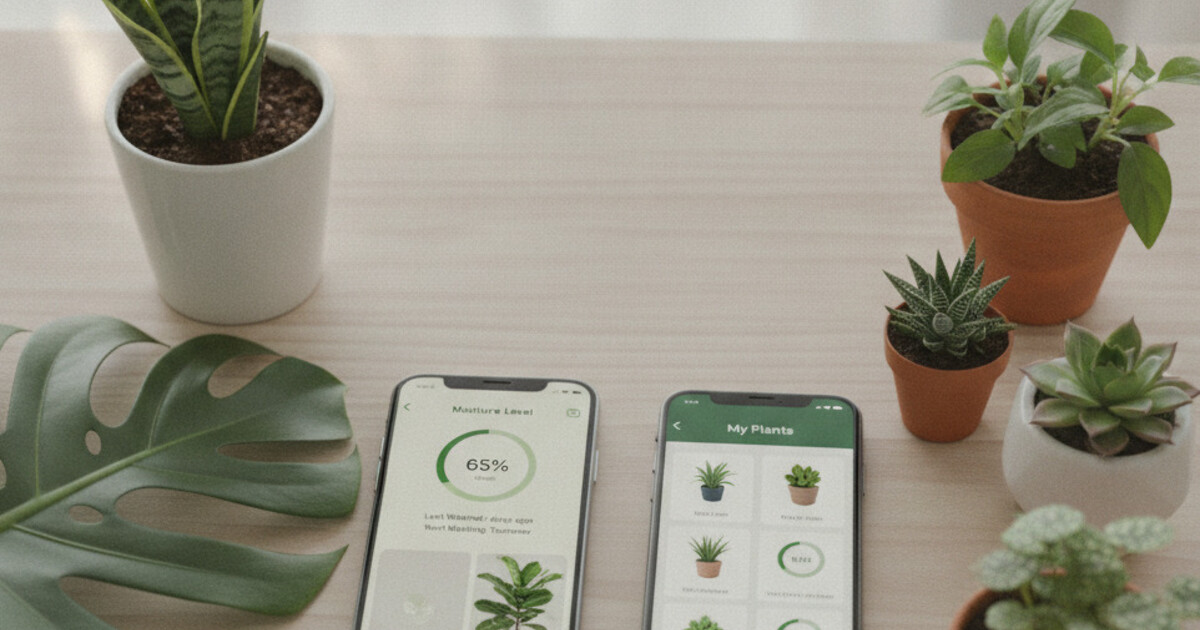
Both Greg and Planta solve the same core problem: keeping plant owners from forgetting to water. The apps look similar on the surface. Both build schedules around each plant’s species, both send push notifications before a plant dries out, and both adjust as seasons change. The differences become clearer once you look at how each one handles light measurement, the tasks it tracks beyond watering, and what happens when a plant starts showing visible symptoms.
Choosing between Greg and Planta comes down to your specific needs from a care reminder app.
Greg and Planta both handle watering reminders for houseplants. Greg uses a community-driven algorithm and suits plant owners who want a fast, low-friction setup. Planta uses a built-in light meter to read actual room light levels instead of estimates, tracks more maintenance tasks per plant, and suits owners who want precision scheduling. Paid tiers are priced similarly.
How Greg and Planta Fit Into the Plant App Landscape
Before comparing the two directly, it helps to know which category each one belongs to.
Greg and Planta are both plant care scheduler apps, a category that builds watering schedules and maintenance reminders around each individual plant. Greg launched in 2019 and uses an adaptive algorithm that factors in your plant’s species, pot type, and your home’s reported light conditions to generate a personalized schedule. It covers over 50,000 plant species and adjusts automatically as seasons change. Community-contributed care tips fill gaps for less common species. Planta, a Swedish-built app available on iOS and Android, takes a different approach: its built-in light meter reads actual lux levels through the phone camera rather than asking you to estimate light as low, medium, or bright indirect. Planta Premium also schedules fertilizing, misting, repotting, and leaf cleaning as separate tasks per plant. Neither app includes disease diagnosis or pest identification from a photo. The National Gardening Association’s 2021 survey found 18.3 million new American gardeners started in 2020, most without prior experience spotting plant health problems early.
Diagnosis apps sit in a different category entirely. They take a photo of a sick plant and return a specific cause with a treatment plan. Greg and Planta aren’t built for that job, and no adjustment to their settings changes that.
Greg vs Planta: Feature-by-Feature Comparison
Here’s where the two apps actually differ:
| Feature | Greg | Planta |
|---|---|---|
| Watering reminders | Yes, adaptive algorithm | Yes, schedule-based |
| Light measurement | User estimate (low/medium/bright) | Built-in light meter (real lux) |
| Fertilizing reminders | No | Yes (Premium) |
| Misting reminders | No | Yes (Premium) |
| Repotting reminders | No | Yes (Premium) |
| Species database | 50,000+ | Large curated database |
| Community care tips | Yes | No |
| Free tier | Yes, with ads | Limited (plant count cap) |
| Disease diagnosis | No | No |
| Platforms | iOS, Android | iOS, Android |
A few of those rows are worth unpacking.
Watering precision: Greg’s algorithm adjusts for pot size, soil type, and the light level you report. That foundation works well for most common houseplants, and it gets more accurate over time as community data for each species builds up. Planta’s light meter removes the estimation step entirely. Instead of categorizing a window as “bright indirect,” you hold the phone up and get an actual number. For plants sensitive to light variation, that precision matters.
Task coverage: Greg tracks watering. Planta Premium tracks the full maintenance stack: watering, fertilizing on a monthly or seasonal schedule, misting for humidity-sensitive species, repotting as roots outgrow pots, and leaf cleaning. If you want reminders across all of those tasks, Planta covers more ground.
Free tier usability: Greg’s free tier gives you the core reminder experience with ads throughout. Planta’s free tier limits how many plants you can track before hitting a paywall. For a larger collection without paying, Greg’s free tier stretches further.
When to Choose Greg
Greg fits specific situations better than Planta.
If your collection includes uncommon or specialty species, Greg’s community-sourced care tips pull from a large user base that’s contributed care data for plants most databases miss. Someone growing a common pothos alongside an unusual Hoya or a lesser-known aroid gets relevant care information from both.
Setup is also faster. Greg asks you to select a plant, describe the light conditions, and you’re done. Planta’s light meter takes an extra step per plant. For a 50-plant collection, that time adds up.
The free tier matters too. For plant owners who want basic reminders without paying, Greg’s ad-supported free version covers the core job without restricting your plant count. The paid Greg+ subscription makes sense for larger collections or if the ads bother you, but the free version isn’t crippled.
Greg also lets you see care notes from other owners of the same plant species, which helps when the default schedule doesn’t seem right for your conditions.
When to Choose Planta
Planta makes more sense when precision and complete task coverage matter more than simplicity.
The light meter is the clearest practical advantage. If you’re deciding whether a specific corner of a room gets enough light for a fiddle leaf fig or a calathea, a real lux reading tells you more than “medium indirect” ever could. For plants with strict light requirements, that accuracy translates to fewer guessing errors and better schedule calibration over time.
Planta Premium’s task coverage is also more complete. Tropical houseplants, ferns, orchids, and other humidity-sensitive species need more than watering reminders. Fertilizing every 4-6 weeks during the growing season, misting daily or twice a week, repotting when roots start circling: Planta tracks all of that with per-plant schedules. Greg doesn’t cover those tasks.
If your collection leans toward fussy or humidity-loving plants with varied care routines, Planta’s detailed tracking has real practical value.
What Both Greg and Planta Miss
Both apps stop being useful the moment a plant starts showing visible symptoms of distress.
Yellow leaves, brown spots, wilting that doesn’t improve after watering, sticky residue on stems, small webbing near leaf joints: those symptoms have specific causes that a watering schedule can’t address. The cause might be root rot, a fungal infection, spider mites, mealybugs, scale, or a nutrient deficiency. Each one needs a different response, and guessing wrong usually makes things worse.
That’s the gap PlantlyAI fills alongside either app. Photograph the affected area, and the app returns a diagnosis with a step-by-step treatment plan. Organic options appear first (adjusting drainage, applying neem oil, reducing watering frequency). Biological controls follow. Chemical options come last for more persistent problems. You choose based on what you have on hand and what you’re comfortable applying.
PlantlyAI works across houseplants, garden plants, vegetables, trees, and crops. A searchable plant disease library lets you research symptoms before problems escalate, even before reaching for the camera. 2 free diagnoses are available per day with no account required to start.
Many plant owners run a reminder app alongside a diagnosis app. The two categories don’t overlap enough for one tool to replace both. For more detail on how the diagnosis side compares across apps, the best houseplant disease diagnosis apps covers the main options with honest assessments.
If you’re also considering other alternatives beyond just these two apps, 5 best greg app alternatives covers more options including those with disease detection built in.
Frequently Asked Questions
Is Greg free to use?
Greg has a free tier that covers core watering reminders with ads running throughout. For a small collection, the free version handles the reminder job without paying. The Greg+ subscription removes ads and unlocks additional features. For plant owners with larger collections or who find the persistent ads disruptive, the paid tier is worth it.
Is Planta free to use?
Planta has a free tier, but it limits how many plants you can track and restricts some care task features. The full experience (including the light meter, fertilizing schedules, and complete maintenance tracking) requires a Planta Premium subscription. For a small collection needing basic reminders, the free tier works. For detailed care across many plants, the subscription is necessary.
Which is more accurate, Greg or Planta?
Planta is more accurate for light-sensitive plants because its built-in light meter reads actual lux levels rather than relying on your estimate. Greg is more accurate for uncommon species because its community care data fills gaps that curated databases miss. The right answer depends on which kind of accuracy matters more for your specific plants.
Do Greg and Planta diagnose plant diseases?
Neither app diagnoses plant diseases or identifies pests from a photo. Both focus on watering schedules and care reminders. For diagnosing visible symptoms (yellowing leaves, brown spots, wilting, pest signs, or unusual growth), a dedicated app like PlantlyAI handles that job. Photograph the affected area and you get a specific diagnosis with treatment options covering organic, biological, and chemical approaches.
Can I use Greg and Planta together?
Most plant owners pick one reminder app rather than running both. The more useful pairing is a reminder app alongside a diagnosis app. Greg or Planta handles routine care scheduling; PlantlyAI handles visible plant symptoms and sick-plant diagnosis. That combination covers most of what houseplant owners actually need from mobile plant tools.
If a plant in your care is showing symptoms neither Greg nor Planta can explain, open PlantlyAI and photograph the problem area. You’ll have a diagnosis and a treatment plan in under a minute. The first 2 scans are free with no account needed. Available on iOS and Android.
Not sure what's wrong? Diagnose your plant free
Upload a photo to our free plant disease identifier and get an instant diagnosis.