Areca Palm Leaves Turning Yellow: Causes and How to Fix It
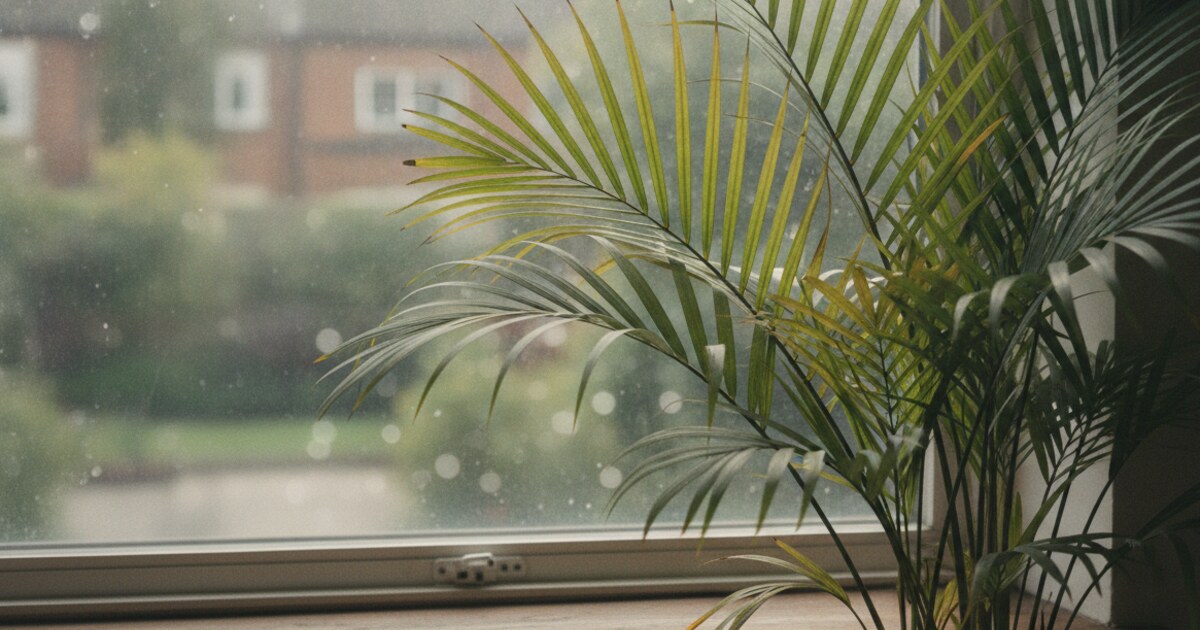
Your areca palm looked tropical and full when you brought it home. Now fronds are going yellow, and you’re not sure if it’s the watering, the light, or something worse. The good news: areca palm yellowing almost always has a fixable cause, and the pattern of which fronds go yellow first is your best clue.
Areca palm yellowing doesn’t have one cause. Overwatering, nutrient deficiencies, direct sun, low humidity, and fluoride in tap water all produce yellow fronds, but with slightly different patterns. This guide shows you how to read those patterns and apply the right fix.
Areca palm leaves turn yellow most often from overwatering, which leads to root rot that cuts off nutrient uptake from the roots. Nutrient deficiencies (nitrogen, magnesium, or potassium) are the next most common cause, each yellowing specific fronds in distinct patterns. Low humidity, direct sun, and fluoride in tap water also cause yellowing, typically concentrated at the leaf tips rather than across full fronds.
How to Read the Yellowing Pattern First
Before adjusting your watering schedule or reaching for fertilizer, look at which fronds are yellowing and where on the frond the yellow starts.
The areca palm (Dypsis lutescens, formerly Chrysalidocarpus lutescens) is native to Madagascar, where it grows 20-30 feet tall in humid, filtered-light conditions along stream margins. Indoors it typically reaches 6-8 feet over 10 years. It needs bright indirect light (4-6 hours daily), humidity above 50%, and consistently moist but never waterlogged soil. The yellowing pattern is diagnostic: nitrogen deficiency yellows the oldest fronds from the tip inward; magnesium deficiency produces interveinal chlorosis (yellow tissue between still-green veins) on older fronds; potassium deficiency shows orange-yellow tips on older growth. Overwatering-linked yellowing spreads evenly across all fronds at once, often with mushy stems near the soil line. Fluoride in tap water and cold air below 55°F (13°C) yellow the leaf tips rather than full fronds. Identifying the pattern narrows the diagnosis fast.
Here’s a quick reference:
| Fronds affected | Most likely cause |
|---|---|
| Bottom fronds, yellow from tips inward | Nitrogen deficiency |
| Bottom fronds, yellow between green veins | Magnesium deficiency |
| Older fronds, orange-yellow tips | Potassium deficiency |
| All fronds, evenly pale and limp | Overwatering or root rot |
| New top growth goes pale | Underwatering or rootbound |
| Yellow tips turning crispy brown | Fluoride toxicity or low humidity |
| Sudden yellowing after a temperature drop | Cold stress (below 55°F / 13°C) |
Areca Palm Leaves Turning Yellow from Overwatering
Overwatering is the single most common cause of yellow areca palm fronds indoors. When roots sit in wet soil for too long, oxygen depletes and root rot sets in. Once that happens, the plant can’t pull nutrients from the soil no matter how rich the mix is, and fronds go yellow quickly.
The key sign that separates overwatering from nutrient deficiency: yellowing spreads across all fronds at once, not just the old lower ones. Squeeze the stem near the soil line. Mushy or dark means root rot.
To fix it:
- Pull the plant from its pot and check the roots. Cut away black or mushy roots with sterile scissors.
- Set the root ball somewhere dry and airy for an hour before repotting.
- Repot into fresh well-draining mix: palm potting soil or cactus mix with 20% added perlite works well.
- Water only when the top 2 inches of soil feel dry. In summer, that’s every 7-10 days. In winter, every 14-21 days.
Underwatering causes yellowing too, but it hits newer top growth first and leaves the soil bone dry. If you’re unsure which problem you have, the overwatered vs underwatered plant guide breaks down the differences symptom by symptom.
Nutrient Deficiencies That Cause Areca Palm Yellow Leaves
Nutrient deficiencies are common in areca palms that have been in the same potting mix for more than a year. Three nutrients account for most of the yellowing you’ll see, and each has a different pattern.
Nitrogen deficiency: The oldest fronds (lowest on the plant) go yellow first, starting at the tips and spreading inward until the whole frond turns pale yellow-green. Fix it with a palm-specific slow-release fertilizer (15-5-15 NPK or similar) applied every two months from spring through summer.
Magnesium deficiency: Yellow tissue appears between the veins on older fronds while the veins themselves stay green. This interveinal chlorosis pattern is the diagnostic tell for magnesium. Drench the soil with 1 tablespoon of Epsom salt (magnesium sulfate) dissolved in 1 gallon of water, once a month during the growing season.
Potassium deficiency: Orange or yellow tips appear on older fronds, sometimes with a slight curling of the leaf margins. Switch to a fertilizer with higher potassium, or apply potassium sulfate per package instructions.
One rule that applies to all three: don’t fertilize in fall and winter. The plant’s growth slows, and pushing nutrients when the plant isn’t actively growing deposits excess salts in the soil. Those salt deposits cause more yellowing.
Light, Humidity, and Water Quality Issues
These three causes produce more localized yellowing than overwatering or deficiency does, but they’re worth ruling out, especially if your fronds look otherwise healthy.
Too much direct sun: Areca palms want bright indirect light. Direct afternoon sun bleaches and scorches the fronds, turning them yellow then crispy brown, sometimes with pale bleached patches in the center. Filter the light with a sheer curtain or move the plant a few feet back from a south- or west-facing window.
Not enough light: In a dark corner, growth slows and new fronds come in pale and undersized. Move the palm to within 3-4 feet of a bright window.
Low humidity: These palms need humidity above 50%. Most homes run 30-40% in winter when heating systems dry the air. Yellow tips that then go brown are the first signal. Run a humidifier nearby or cluster the palm with other tropical plants to build up local humidity.
Fluoride in tap water: Areca palms are sensitive to fluoride. Regular tap water deposits fluoride salts in the soil over time, causing yellow-brown tip burn at the leaf margins. Switch to filtered, distilled, or rainwater if you can. If you can’t switch, flush the soil thoroughly every 2-3 months with a large volume of water to leach the accumulated salts.
Areca Palm Yellow Leaves vs Brown Tips
Whole fronds turning yellow and fronds with brown tips are separate problems, though both show up when people search for areca palm yellowing.
Yellow tips on otherwise green fronds usually point to fluoride toxicity, low humidity, or early potassium deficiency. The rest of the frond looks normal.
Brown crispy tips on green fronds mean dry air, salt buildup in the soil, or overfertilizing. The frond itself is fine; only the margins died back.
Full fronds going yellow, then brown is the more serious situation: overwatering, root rot, or a significant nutrient deficiency.
Old fronds at the base of the palm also naturally go fully yellow then brown as the plant ages and sheds its lowest fronds. One or two per year is normal. But if multiple fronds across the whole plant go yellow at the same time, that’s a problem to diagnose rather than just prune away.
Once a frond is fully yellow, cut it off at the base with clean scissors. It won’t green back up, and leaving it on wastes the plant’s resources.
How PlantlyAI Helps Identify the Cause
Narrowing down areca palm yellowing from a list of possible causes takes time, especially when several issues can look similar at first glance. PlantlyAI cuts through the guessing: take a photo of the yellowing fronds, and the app identifies the most likely cause and gives you a step-by-step treatment plan.
It covers overwatering damage, nutrient deficiencies, fungal issues, and environmental stress. If you’re looking at interveinal yellowing and you’re not sure whether it’s magnesium or iron deficiency, a photo diagnosis points you in the right direction quickly. The app works for houseplants, garden plants, vegetables, and crops, and gives you a choice of organic, biological, or chemical treatment options. You get 2 free diagnoses a day with no account needed.
If you’re not sure what’s going wrong with your plant, this app can tell you what it is.
Frequently Asked Questions
Why are my areca palm leaves turning yellow after repotting? Transplant shock is normal and can cause temporary yellowing, usually in the lower fronds. Keep the palm in indirect light, water it normally without going heavy, and skip fertilizer for 4-6 weeks. Most palms settle in within a month as the roots re-establish in the new soil.
Should I cut off yellow areca palm leaves? Yes. Once a frond is fully yellow it won’t turn green again. Cut it off at the base with clean scissors or pruning shears. Removing dead fronds stops the plant from pushing energy into them and keeps the overall plant looking tidy while it recovers.
Can areca palm yellow leaves turn green again? Mildly yellow fronds from a corrected nutrient deficiency sometimes recover partially. Fully yellow fronds won’t green back up. Focus on stopping the spread and giving healthy fronds the right conditions: correct watering, adequate nutrients, and proper humidity.
How often should I water an areca palm indoors? Water when the top 2 inches of soil feel dry to the touch. That’s roughly every 7-10 days in summer and every 14-21 days in winter. Pot size, light levels, and room humidity all affect drying speed, so check the soil rather than following a fixed calendar.
Why are my areca palm leaves turning yellow and brown at the tips? Yellow that fades into brown at the tips, on otherwise green fronds, almost always points to low humidity, fluoride buildup from tap water, or overfertilizing. Switch to filtered water, flush the soil thoroughly, and add a humidifier as your first steps.
Areca palm yellowing has a clear cause in almost every case. Check the pattern first (which fronds are affected, where the yellow starts), then adjust watering, nutrients, or humidity to match. If you’re stuck on the diagnosis, PlantlyAI can identify the cause from a photo and give you a specific treatment plan in seconds. Download it free on the App Store or Google Play — 2 free diagnoses a day, no account needed.
Not sure what's wrong? Diagnose your plant free
Upload a photo to our free plant disease identifier and get an instant diagnosis.