Basil Plant Drooping and Wilting: Causes & Fixes
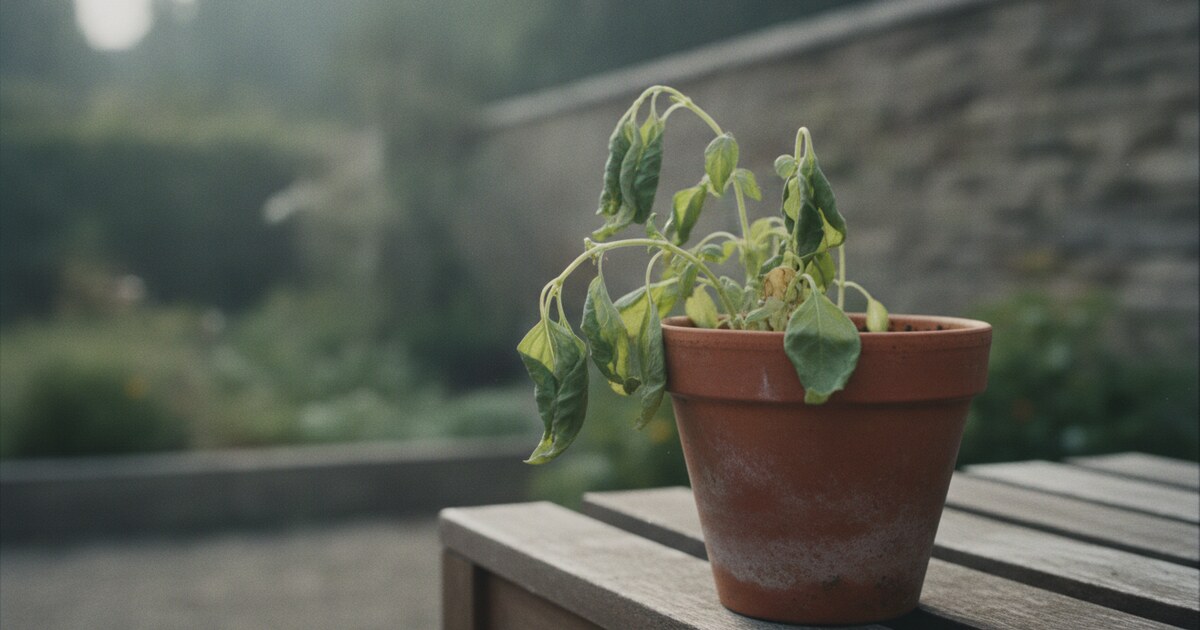
Basil is dramatic about water. Miss one watering on a hot day and the leaves collapse. But overwater it for a week and you’ll see the exact same wilted, drooping leaves. That’s the trap most people fall into: they see a drooping basil plant and reach for the watering can, when the plant is actually drowning.
Before you water, you need to figure out which problem you’re dealing with. Basil droops from at least 6 different causes, and two of the most common require opposite fixes.
Basil plant drooping and wilting is almost always caused by a watering problem: either too little or too much. Check the soil first. Dry, pulling-away-from-pot soil means underwatering; water thoroughly and leaves usually perk up within a few hours. Soggy, constantly wet soil points to overwatering or root rot, which needs dry-out time, not more water.
Why Basil Droops and Wilts: 6 Common Causes
Basil (Ocimum basilicum) is one of the most moisture-sensitive herbs you can grow. Its large, thin leaves lose water quickly through transpiration, so when root water uptake slows for any reason, wilting follows fast. But the cause changes everything, because the fixes are often the opposite of each other.
The 6 main reasons basil droops are underwatering, overwatering, temperature stress, a pot that’s too small, transplant shock, and disease (mainly fusarium wilt). Of these, underwatering and overwatering account for roughly 80% of cases in pot-grown basil.
Basil thrives at 65-85°F (18-29°C) with consistently moist but well-draining soil and 6 or more hours of daily direct sun. In a 6-inch terracotta pot at 85°F in full sun, the soil can go from moist to bone dry in under 24 hours, faster than most gardeners expect. Terracotta pots dry out roughly twice as fast as glazed ceramic or plastic. Small pots under 6 inches lose moisture in a single afternoon. Recovery from underwatering is fast when roots are still healthy: most plants perk back up within 2-4 hours of a deep soak. Overwatering recovery takes days to weeks, and extensive root rot is often fatal. Basil chilled below 50°F (10°C) shows wilting and leaf blackening within 24 hours of cold exposure. Fusarium wilt, a soil-borne fungus, causes asymmetrical drooping with no cure once the plant is infected.
A basil plant that droops every afternoon but perks up by evening is almost certainly hitting heat and transpiration stress, not a watering deficit. One that stays limp morning and evening likely has a root or disease problem.
Underwatering: The Most Common Cause of Wilting Basil
Wilting from dry soil is the most straightforward problem to fix. Stick your finger 1-2 inches into the soil. Bone dry? That’s your answer.
Signs it’s underwatering:
- Leaves droop and feel slightly crispy or papery
- Soil is dry and pulling away from the edge of the pot
- Plant perks back up within a few hours of watering
- Wilting starts in the afternoon on hot days
Fix: Give the pot a deep soak, watering until it drains freely from the bottom. Then adjust your schedule. In summer, pot-grown basil often needs water every 1-2 days. Basil in outdoor beds needs about 1 inch of water per week, more during heat waves.
One useful check: basil in full midday sun will sometimes droop slightly even with perfectly moist soil. That’s temporary heat stress, not a watering deficit. If the plant perks up by evening without watering, the soil moisture level is fine.
Overwatering and Root Rot in Basil
Overwatered basil looks almost identical to underwatered basil: limp, drooping leaves that won’t perk up. The difference is in the soil. Wet or soggy soil with a drooping plant is a red flag for root rot.
When soil stays saturated, roots suffocate from lack of oxygen. Pythium and Rhizoctonia fungi colonize stressed, oxygen-deprived roots quickly. You might notice a sour or musty smell coming from the pot, and stems near the soil line may look discolored or feel soft.
Signs it’s overwatering or root rot:
- Soil is wet or soggy despite the drooping
- Leaves feel soft and limp, not dry or crispy
- Stems near the base look dark or mushy
- Leaves may turn yellow before drooping
Fix: Stop watering and let the soil partially dry. If the pot has no drainage holes, repot immediately. Check the roots: healthy ones are white and firm; rotten ones are brown, mushy, and may fall apart when you touch them. Trim away any rotten roots with clean scissors and repot in fresh, well-draining potting mix.
For a full walkthrough on telling these two apart by soil feel, color, and leaf texture, the article on overwatered vs underwatered plants covers every diagnostic step.
Temperature Stress, Small Pots, and Transplant Shock
These three causes are less common but easy to miss because the droop looks the same.
Cold stress: Basil is a tropical herb. Temperatures below 50°F (10°C) cause cell damage that shows up as wilting and blackened or darkened leaves within 24 hours. Even a single night at 45°F can permanently damage basil. If you bring it inside or cover it too late, the wilting often can’t be reversed. Frost kills it outright.
Heat stress: Above 95°F (35°C), even well-watered basil may temporarily wilt during the hottest part of the day. The plant conserves water by wilting, then recovers on its own once temperatures drop. Keep the soil moist and it’ll bounce back without intervention.
Pot too small: Basil roots fill a small container fast. A root-bound plant can’t hold enough water to keep up with transpiration, so it wilts repeatedly even when you water regularly. Repot into a container at least 12 inches in diameter. More root space means more soil volume and more water retention.
Transplant shock: Moving basil from a nursery to your home, or from indoors to an outdoor bed, puts it through an adjustment period of different light, humidity, and temperature. Drooping for the first 1-2 weeks after transplanting is normal. Keep it well-watered, give it morning sun with afternoon shade for the first week, and it should stabilize on its own.
Fusarium Wilt and Other Diseases That Cause Drooping
If you’ve ruled out watering and temperature problems, disease is worth checking. Fusarium wilt (Fusarium oxysporum f. sp. basilici) is a soil-borne fungus that spreads through infected seeds and contaminated soil. It’s more common than most herb growers realize, and it’s the one basil problem that has no fix.
The tell-tale sign is asymmetrical wilting: one branch or one side of the plant droops while the rest looks normal. Individual stems may wilt while neighboring ones stay upright. If you cut a wilted stem near the base, you’ll often see brown or tan discoloration inside the vascular tissue. That’s the fungus blocking water movement.
There’s no treatment for fusarium wilt once a plant is infected. Remove and discard the plant (don’t compost it), and avoid growing basil in that same soil for at least 2-3 years. Buying certified disease-free seed and well-draining potting mix helps prevent it.
Bacterial leaf spot (Pseudomonas cichorii) also causes wilting, usually alongside dark water-soaked patches or spots on the leaves. For more on identifying these fungal and bacterial problems before they cause full collapse, the article on basil leaves black spots covers both diseases with clear identification details.
How to Revive a Drooping Basil Plant: Step-by-Step
Once you’ve identified the cause, follow this sequence:
Step 1: Check the soil. Dry and pulling away from the pot edges = water. Wet and soggy = don’t water.
Step 2: Water if dry. Soak the pot thoroughly, let it drain completely, then move it to a spot with indirect light for a few hours. Most underwatered basil shows visible improvement within 2-4 hours.
Step 3: Fix drainage if overwatered. Unpot the plant, check the root system, cut away any mushy brown roots with clean scissors, and repot in fresh, porous potting mix in a pot with drainage holes. Hold off watering for 2-3 days.
Step 4: Check temperature. Move the plant away from cold drafts, air conditioning vents, or glass windows that let in afternoon heat. Aim for 65-85°F consistently.
Step 5: Pinch off any flowers. A basil plant that has bolted redirects energy to seed production, which causes drooping and legginess. Pinch flower spikes off as soon as you see them to keep the plant producing leaves.
Step 6: Upgrade the pot if root-bound. Roots circling the bottom or pushing through drainage holes mean it’s time to size up to a 12-inch container with fresh potting mix.
Frequently Asked Questions
Why is my basil wilting even though the soil is moist?
Moist soil with drooping leaves usually means root rot or cold/heat shock. Root rot damages roots so they can’t take up water even when moisture is present. Cold exposure below 50°F (10°C) causes cell damage that looks like wilting. Check the roots for mushiness and check your temperatures. If both look fine, inspect stems for the asymmetrical browning of fusarium wilt.
How long does it take basil to recover from wilting?
Underwatering recovery is fast: leaves typically perk up within 2-4 hours of a thorough watering and fully recover overnight. Overwatering and root rot recovery is much slower, taking days to weeks depending on how much root damage occurred. Transplant shock resolves in 1-2 weeks with consistent moisture and shade.
Can I save basil that has root rot?
Sometimes. Catch it early, trim the rotten roots back to healthy white tissue, repot in fresh dry mix, and keep the plant in bright indirect light. Hold off watering for 2-3 days to let fresh soil settle and the trimmed roots begin to recover. If more than half the root system is rotted, the plant is unlikely to pull through.
Why does my basil droop in the afternoon?
Afternoon drooping that self-corrects by evening is normal heat and transpiration stress. The plant is conserving moisture during the hottest hours. Check the soil: if it’s moist and the plant bounces back by evening without any watering, the plant is fine. If the soil is dry by afternoon, water more frequently or move the pot out of direct afternoon sun.
How often should I water basil to prevent drooping?
Pot-grown basil typically needs water every 1-2 days in summer. Garden-bed basil needs about 1 inch of water per week. Soil should stay consistently moist but never waterlogged. Stick your finger 1-2 inches into the soil and water when it feels dry at that depth. In terracotta pots or small containers, check daily during heat waves.
A drooping basil plant is almost always fixable once you know what’s causing it. If you’re not sure whether you’re looking at underwatering, root rot, or something else, grab a photo and run it through PlantlyAI. The app diagnoses plant problems from a single photo and gives you a step-by-step treatment plan, so you’re not guessing. It’s free to start, with 2 diagnoses a day and no account needed. Download it on iOS or Android.
Not sure what's wrong? Diagnose your plant free
Upload a photo to our free plant disease identifier and get an instant diagnosis.