Cactus Turning Yellow and Soft at Base: Causes & Fixes
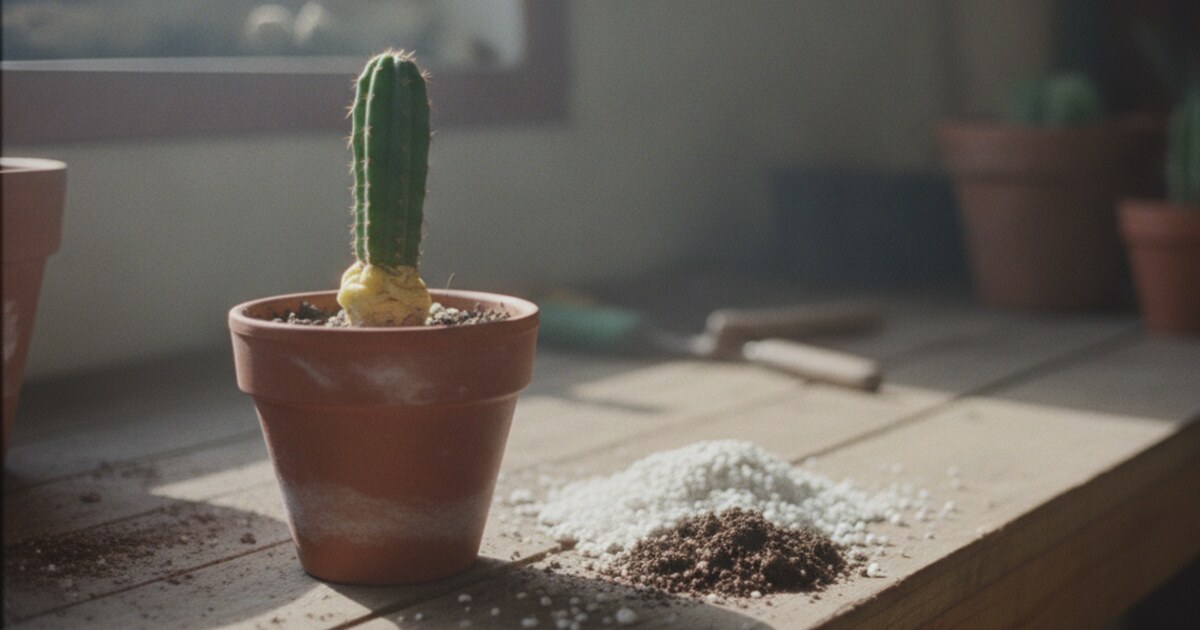
Your cactus has been sitting in the same spot for months, barely touched, looking completely fine. Now the base is yellowing and when you press it with one finger, it gives slightly under the pressure.
A cactus turning yellow and soft at the base is one of the more alarming things to find, but the symptom is also one of the most specific. The location of the problem tells you almost everything you need to know. Base yellowing combined with softness isn’t ambiguous the way yellow tips or pale upper leaves can be. It points to one root cause in the overwhelming majority of cases, and catching it early is the difference between a rescue and a complete loss.
A cactus turning yellow and soft at the base almost always signals root rot from overwatering. Wet soil kills the roots, and the rot spreads up into the stem tissue. Unpot the plant, cut away all rotten roots and soft stem tissue, let the wound callus for 3-7 days, then repot in dry, fast-draining cactus mix.
Why a Cactus Turns Yellow and Soft at the Base
Root rot is the cause in the vast majority of cases. When cactus soil stays wet too long, the roots lose oxygen and begin dying. Decomposition spreads upward into the stem tissue, and the visible result is yellowing that often starts right at the soil line and works its way up. The tissue feels soft because the internal water-storage cells have burst or collapsed.
Root rot in cacti is usually triggered by Pythium, Fusarium, or Erwinia species, all of which thrive in waterlogged, low-oxygen soil. Desert cacti evolved in environments where rain arrives in heavy bursts and drains away within hours through porous, sandy substrate. In cultivation, standard potting mix holds moisture for days or weeks, creating conditions the roots can’t survive. Most cacti need soil that dries completely between waterings: every 10-14 days during the summer growing season and once per month maximum in winter dormancy. Because cactus stems store water internally, they can mask root stress for 3-6 weeks before yellowing or softening appears above the soil line. A well-draining mix should contain at least 50% inorganic material such as coarse perlite, pumice, or horticultural grit. Terracotta pots help moisture evaporate through the walls, reducing rot risk compared to plastic pots without drainage holes, which are the single most common cause of cactus root rot in home collections.
What makes this symptom particularly useful as a diagnostic: the combination of both yellow and soft at the base is almost exclusive to root rot. Sunburn produces yellowing on the side facing the light source, not the base. Underwatering shrinks and wrinkles the whole plant without making any section go soft. Nutrient deficiency creates pale or patterned yellowing distributed across the whole plant. If the base is specifically yellow and soft, root rot is almost certainly what you’re looking at. Our guide to overwatered vs underwatered plants covers the full diagnostic logic if you’re not sure which problem you’re dealing with.
Other Causes That Can Look Similar
Overwatering causes the soft base in the overwhelming majority of cases, but a few other problems can produce similar-looking symptoms at the base.
Mealybugs at the soil line. Root mealybugs hide below the surface and cluster right where the stem meets the roots. You won’t see them without unpotting the plant. Look for white, cottony wax clusters at the crown or just below it.
The stem can discolor and yellow from the stress before it softens. If you find white waxy residue or pale clusters around the roots, the problem is a pest infestation, not rot. Our guide to mealybugs on succulents covers treatment steps that work equally well for cacti.
Cold or frost damage. Temperatures below 40°F (4°C) can damage cactus stem tissue, causing it to turn yellow or translucent and soften. Cold damage tends to appear within a day or two of a cold event, while overwatering rot builds slowly over weeks. The fix is the same in both cases: remove damaged tissue, callus the cut, repot in fresh dry mix.
Corking. Brown, firm tissue spreading up from the base of an older cactus is a natural aging process called corking. The base turns tan to grayish-brown with a dry, bark-like texture. Columnar cacti like Cereus, Trichocereus, and Pachycereus commonly cork as they mature. If the base is brown and firm (not soft), you’re looking at corking, and it needs no treatment.
The fastest diagnostic: press the base gently. Firm means the problem is likely cosmetic or just part of natural aging. Soft under light pressure means action is needed now.
How to Tell If Your Cactus Can Still Be Saved
Before doing anything else, unpot the plant and look at the roots. Healthy cactus roots are white to light tan and feel firm or papery. Rotten roots are brown to black, stringy or slimy, and often smell like decay.
Two signs the plant can recover:
- The upper portion of the stem (at least the top half) is still firm and green
- When you cut into the base, the interior flesh is white or pale green, not brown or hollow
Two signs it’s gone too far:
- More than half the total stem height has gone soft or dark
- Even the sections that look firm reveal brown or hollow interior when you cut into them
If recovery looks impossible, don’t discard the whole plant. Cut any firm, healthy section from above the rot line, let it callus, and propagate it as a new plant. A clean cutting from a dying cactus can grow into a full plant in 6-12 months.
How to Fix a Cactus Turning Yellow and Soft at the Base
Step 1: Stop watering immediately. Don’t add water until you’ve assessed and treated the damage.
Step 2: Unpot the plant. Tip it gently out of its pot and shake away as much old soil as possible without forcing or snapping stems.
Step 3: Cut away everything rotten. Use sterile scissors or a clean knife. Remove every root that is brown, black, stringy, or slimy. If the stem base is soft, cut upward until you reach firm white flesh all the way through.
Every piece of soft tissue has to come off, even if that means removing a large section of the plant. Leaving any rot behind means it will restart.
Step 4: Let the wounds callus. Place the trimmed plant in a dry, shaded spot for 3-7 days (up to 2 weeks for thick stems). The cut surfaces need to dry out and form a sealed layer before they go back into soil. Skipping this step is the most common reason root rot comes back after treatment.
Step 5: Repot in fresh, dry mix. Use a fast-draining blend: 50% perlite or pumice mixed with commercial cactus potting soil, in a terracotta pot with drainage holes. Don’t water for the first week after repotting.
Step 6: Adjust your watering schedule going forward. Water every 10-14 days during the growing season and once every 3-4 weeks in winter. Always let the soil dry completely before watering again. When you’re not sure, skip the watering and check again in a few days.
Cacti can sit bone dry for weeks without harm. Sitting in wet soil for a week can kill them.
How PlantlyAI Can Help You Diagnose the Problem
Yellow and soft, yellow and wrinkled, yellow with spots, brown at the base: each symptom points somewhere different, and treating the wrong cause wastes time and can make things worse. PlantlyAI lets you photograph the affected area and get an AI diagnosis in seconds. It identifies whether you’re dealing with root rot, cold damage, mealybugs at the soil line, or something else entirely, and gives you a step-by-step treatment plan based on what it actually sees.
The app covers cacti, succulents, houseplants, vegetables, and garden plants, and gives you a choice between organic, biological, and chemical treatment options. You get 2 free diagnoses per day with no account required. Download PlantlyAI on iOS or Android and photograph your cactus to find out exactly what’s going on.
Frequently Asked Questions
Can a cactus recover from root rot? Yes, if caught early enough. As long as the upper portion of the stem is still firm and green, cutting away the rotten tissue, callusing for 3-7 days, and repotting in fresh dry mix gives the plant a good chance. Recovery takes 4-12 weeks. If more than half the stem has already gone soft or dark, recovery becomes very unlikely.
Why is the base of my cactus yellow but the top is still green? This is the classic pattern of root rot from overwatering. Rot starts underground at the roots and spreads upward through the stem. The top stays green longer because it’s furthest from the rot and still has stored water. The lower and earlier you catch the yellowing, the better the outcome.
How long does a cactus callus take before repotting? Allow 3-7 days for smaller cuts, up to 2 weeks for large cuts through thick stem tissue. The surface should look dry and slightly hardened before the plant goes back into soil. Rushing this step lets bacteria re-enter the fresh wound and restart the rot.
How do I tell the difference between root rot and natural corking? Press the affected area. Corking is firm, dry, and tan or grayish-brown in color. It’s the cactus forming a protective bark layer from the base upward, which is completely normal as cacti age. Root rot is soft and collapses under light pressure, and the color is more often yellow or dark brown. Firm base: corking, no action needed. Soft base: treat for rot.
What soil should I use when repotting a cactus after root rot? Use a mix of 50% inorganic material (coarse perlite, pumice, or horticultural grit) and 50% commercial cactus potting soil. Avoid mixes heavy in peat or moisture-retaining materials. Terracotta pots are significantly better than plastic because moisture evaporates through the pot walls, keeping the soil from staying wet too long between waterings.
Not sure what's wrong? Diagnose your plant free
Upload a photo to our free plant disease identifier and get an instant diagnosis.