Calathea Leaves Curling: Causes and How to Fix It
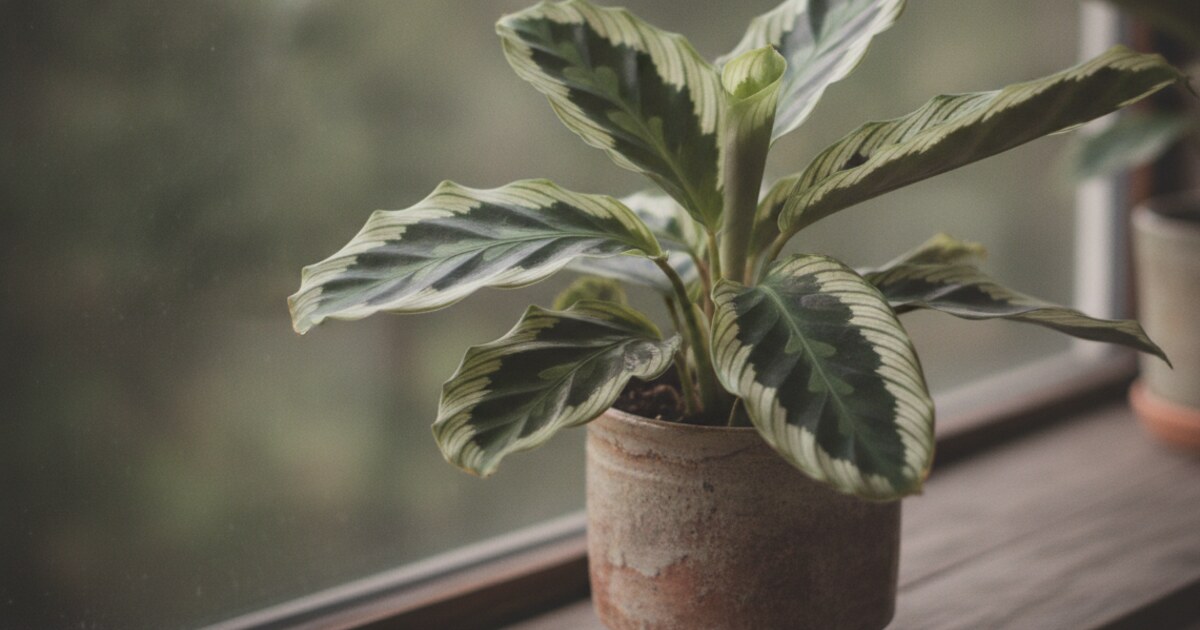
Calathea earns its reputation as one of the fussiest houseplants you can grow. Those wide, patterned leaves look stunning when healthy, and the second something’s off, they roll up tight and refuse to open. Curling leaves are one of the most common problems calathea owners run into, and the cause is almost always fixable.
Calathea evolved on the rainforest floor of Central and South America, where humidity stays high, temperatures hold steady, and direct sunlight never reaches the leaves. Indoors, those conditions rarely exist by default, which is why calathea reacts so quickly when something in its environment shifts.
Calathea leaves curl most often from low humidity or underwatering. The plant rolls its leaves inward to reduce the surface area exposed to dry air, slowing moisture loss through the leaf surface. Aim for 50-60% humidity with a humidifier, check that the top inch of soil stays moist, and most curled leaves uncurl within 3-7 days.
Why Calathea Leaves Curl (and What the Direction Tells You)
Calathea belongs to a genus of 60-plus species native to the tropical rainforests of Central and South America, with a small number of species from Africa. In their natural habitat, these plants grow on the forest floor under a dense canopy, where ambient humidity runs 60-80% year-round, temperatures hold steady between 65-80°F, and direct sunlight never reaches the leaves.
When grown indoors, especially in winter, heating systems strip indoor air down to 20-30% relative humidity. That’s far below what calathea evolved to handle. The plant responds by curling its leaves inward, which closes off the stomata on the leaf’s underside and cuts the surface area exposed to dry air, slowing moisture loss through transpiration.
The direction of the curl tells you which problem you’re dealing with. Inward rolling from the edges toward the midrib usually points to underwatering or low humidity. Upward cupping (leaves forming a bowl shape) can signal overwatering or root rot. Fix the right cause and most calathea leaves uncurl within 3-7 days.
One more thing worth knowing: night-time curling that reverses by morning isn’t a problem at all. Calathea folds its leaves upward at night as part of its natural circadian rhythm, a behavior called nyctinasty. If your plant’s leaves are curled in the middle of the day and don’t open by afternoon, that’s the stress signal worth addressing.
Low Humidity: The Most Common Reason Calathea Leaves Curl
More cases of calathea leaf curl trace back to low humidity than any other single cause. Calathea needs consistent ambient humidity of at least 50-60% to hold its leaves flat. Most homes run at 30-40% in warm months and drop even lower in winter when heating runs all day.
A cool-mist humidifier placed 2-3 feet from the plant is the most reliable fix. Run it for 8-12 hours a day during heating season. Position it near the plant’s level: calathea is low-growing, and humidity naturally sinks toward the floor.
Misting the leaves doesn’t work. The water evaporates in minutes and doesn’t raise ambient humidity in any meaningful way. Worse, wet leaves sitting in stagnant air invite fungal spots.
A pebble tray gives you a passive humidity boost without the electricity. Fill a shallow tray with pebbles, add water to just below the top of the stones, and set the pot on top. As water evaporates, it raises humidity immediately around the plant.
You can measure your current humidity with a hygrometer, which runs $10-15 at most hardware stores. Place it next to the plant and read it in the morning. If it reads below 40%, dry air is the problem.
Underwatering and Water Quality Problems
When soil dries out too much between waterings, calathea rolls its leaves inward to survive. Poke your finger about 1 inch deep into the soil. If it feels completely dry, water thoroughly until it drains freely from the bottom holes.
Calathea prefers consistently moist soil. The goal is to keep the top 1-2 inches from fully drying out between waterings. Bottom watering works well: set the pot in a dish of water for 20-30 minutes and let the roots draw moisture up from below. This gets water all the way to the root tips without leaving the surface constantly wet.
If you’re not sure whether overwatering or underwatering is behind the symptoms, our guide on overwatered vs underwatered plant signs walks through the visual differences side by side.
Water quality is a separate issue that catches people off guard. Calathea is sensitive to the chlorine, fluoride, and dissolved minerals in tap water. These chemicals accumulate in the soil over weeks and interfere with the roots’ ability to absorb water, showing up as both curling leaves and crispy brown edges.
Switching to filtered water or rainwater solves it. If you can’t access either, pour tap water into an open container and let it sit 24 hours: chlorine offgasses naturally. If you’ve been watering with straight tap water for months, flush the soil thoroughly once by watering until water pours freely from the drainage holes for a full minute. This washes out accumulated mineral deposits.
If the soil is moist but leaves are curling with crispy brown edges, water quality is likely the culprit rather than drought stress.
Too Much Direct Light or Temperature Stress
Calathea grows under a rainforest canopy by nature. When placed in a south- or west-facing window with full sun exposure, it curls its leaves to cut down the surface area absorbing heat. The leaves may also bleach or develop pale patches alongside the curl.
Move the plant 3-5 feet back from a direct-sun window, or filter the light with a sheer curtain. Bright indirect light is the target: enough to cast a soft shadow, not enough to feel warm on the back of your hand.
Temperature stress produces a similar response. Calathea thrives between 65-80°F and dislikes cold drafts, AC vents, and sudden temperature swings. A plant sitting within 2 feet of an air conditioning vent in summer or a drafty window in winter will curl its leaves regardless of how well you manage humidity and watering.
Temperatures below 60°F can cause lasting damage to calathea. Once a leaf is cold-damaged, it won’t recover. Move the plant to a warmer spot and new growth will come in healthy and flat.
Overwatering and Root Problems
Upward cupping (leaves that form bowls rather than rolling inward from the edges) often points to overwatering or root rot. When roots sit in waterlogged soil, they can’t access the oxygen they need to function. As the root system breaks down, the plant loses its ability to move water and nutrients up to the leaves.
Lift the pot. A pot that feels significantly heavier than expected for its size usually has waterlogged soil. Push your finger 2-3 inches into the soil: if it’s wet and you’ve watered within the last few days, hold off for several days before watering again.
If you suspect root rot, unpot the plant and inspect the roots. Healthy calathea roots are pale and firm. Rotted roots are brown to black, soft, and smell slightly sour. Trim away the damaged sections with clean scissors, dust the cuts with cinnamon powder as a natural antifungal, and repot into fresh mix.
A good calathea potting mix holds some moisture without staying soggy: 1 part peat or coco coir, 1 part perlite, and 1 part orchid bark. After repotting, hold off on watering for 3-4 days to let the roots settle.
Other tropical houseplants respond similarly to overwatering. Arrowhead plant leaves turn yellow and droop from many of the same root stress triggers as calathea curling.
How PlantlyAI Can Help You Identify the Cause
Calathea symptoms overlap in frustrating ways. Curling plus brown edges could be low humidity, water quality, or temperature stress. Curling plus yellowing might point to root rot or overwatering. When you’ve checked the obvious causes and the leaves still won’t uncurl, a photo-based scan cuts through the guesswork.
PlantlyAI lets you take a photo of your plant and get an instant diagnosis. The app identifies diseases, pest problems, and environmental stress across houseplants, vegetables, and garden plants. For each diagnosis, it gives you a step-by-step treatment plan with organic, biological, and chemical options depending on the severity of the problem.
You get 2 free diagnoses per day with no account required. Download PlantlyAI on iOS or Android and scan your calathea the next time its leaves curl.
Frequently Asked Questions
Why are my calathea leaves curling inward?
Inward curling usually means the plant is trying to conserve moisture. Low humidity and underwatering are the two most common causes. Check soil moisture first, then measure humidity with a hygrometer. If the soil is moist but humidity reads below 40%, dry air is driving the curl.
How long does it take for calathea leaves to uncurl?
Most calathea leaves uncurl within 3-7 days after you fix the underlying cause. Humidity and watering fixes work fastest. Leaves that stayed curled for several weeks may not fully recover, but new growth will come in flat once the environment is right.
Do calathea leaves curl at night normally?
Yes. Calathea naturally folds its leaves upward at night and opens them again in the morning. This is called nyctinasty and it’s a normal, healthy behavior. If your plant’s leaves are curled in the middle of the day and don’t open by afternoon, that’s a stress response worth investigating.
Why are my calathea leaves curling and turning brown at the edges?
Curling plus brown, crispy leaf edges almost always point to low humidity or water quality problems. Mineral buildup from tap water is especially common: it blocks the roots from absorbing water efficiently, showing up as both curling and edge browning. Switch to filtered or rainwater and flush the soil once to clear mineral deposits.
Should I remove curled calathea leaves?
Only remove a leaf if it’s completely brown and dry with no green remaining. Curled green leaves will uncurl once you fix the cause. If you do need to trim, take off no more than 20-25% of the foliage in a single session to avoid adding more stress to the plant.
Not sure what's wrong? Diagnose your plant free
Upload a photo to our free plant disease identifier and get an instant diagnosis.