Geranium Leaves Turning Yellow: Causes and Fixes
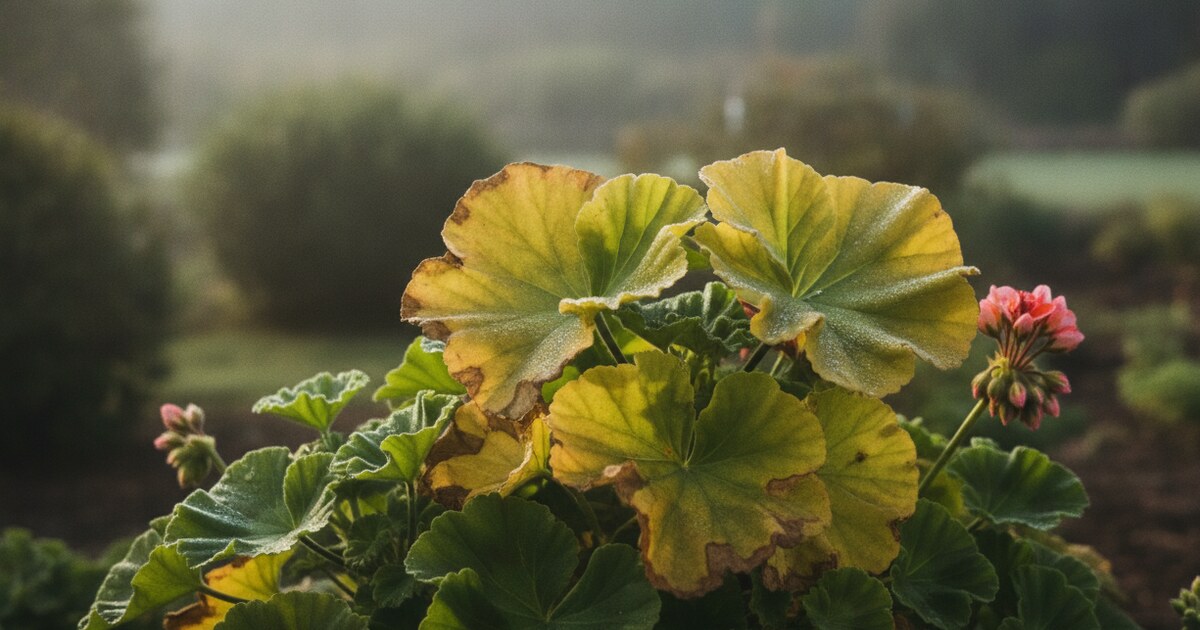
Your geranium looked fine last week. Now half the leaves have gone yellow, and you can’t figure out where to start. The tricky part with geranium leaves turning yellow is that several very different problems produce the same visual symptom. Getting watering wrong, hitting a nutrient wall, or introducing a fungal pathogen can each turn the foliage that tell-tale pale gold. This guide walks through the 7 most common causes, how to tell them apart, and the specific steps to fix each one.
One note before we dive in: when most gardeners say “geranium,” they usually mean Pelargonium species, the bright-flowered tender plants sold as annuals and patio plants. True hardy geraniums (Geranium species) are perennials with a different growth pattern. The advice below applies primarily to Pelargoniums.
Geranium leaves turn yellow most often because of overwatering, low light, or magnesium deficiency. Overwatered plants show yellowing on lower leaves with soggy soil and a musty smell at the roots. Light-starved plants yellow more evenly across the whole plant. Magnesium deficiency shows yellowing between the veins while the veins themselves stay green. Identifying which pattern you’re seeing is the first step to fixing it.
Why Geranium Leaves Turn Yellow
Pelargoniums are fairly tough plants, but they don’t tolerate wet feet or poor soil nutrition well. Yellow foliage is their primary stress signal, which makes diagnosis harder because so many different things trigger it.
Pelargoniums (Pelargonium spp.) are native to South Africa, where they grow in well-drained, nutrient-poor soils with dry summers and mild wet winters. In cultivation, they run into trouble most often from conditions opposite to their origins: waterlogged compost, nitrogen-depleted potting mix, insufficient sun, or humid air that spreads fungal disease. Pelargoniums are among the world’s most popular patio and window-box plants, with the global pot-plant trade exceeding €500 million annually. The three most widely grown types are zonal geraniums (P. × hortorum), ivy geraniums (P. peltatum), and regal geraniums (P. × domesticum). All three share the same core yellowing triggers, though zonal geraniums handle short dry spells better than ivy types, which are more sensitive to root saturation. All prefer at least 6 hours of direct sun daily and soil that dries out between waterings. Temperature is another factor: they prefer 10–24°C (50–75°F) and show stress below 4°C (40°F) or above 30°C (86°F).
Overwatering: The Most Common Cause of Geranium Yellow Leaves
Overwatering is the single most frequent reason geranium leaves turn yellow, and it’s often mistaken for underwatering because the plant looks wilted.
When roots stay wet too long, they can’t draw oxygen. The leaves yellow from the bottom of the plant upward, starting with older, lower foliage. Reach into the pot or border soil: if it’s soggy an inch or two down, or if you catch a musty smell near the base, overwatering is almost certainly the culprit.
How to fix overwatering:
- Let the soil dry out fully before the next watering. For potted geraniums, wait until the top 2 inches are dry to the touch.
- Check drainage. Pots without holes trap water at the base and slowly suffocate roots. Repot into a container with drainage holes, or work grit into heavy border soil.
- If roots are blackened or mushy, trim the damaged sections with clean scissors, dust the cuts with cinnamon or a copper-based fungicide, and repot in fresh, gritty compost.
For a broader look at telling overwatering and underwatering apart, the guide to overwatered vs underwatered plants covers the key symptoms across common houseplants.
Not Enough Light
Geraniums are sun-lovers. Without enough direct light, they can’t produce chlorophyll efficiently, and the leaves fade from healthy green to a pale yellow-green, then full yellow.
The yellowing pattern here differs from overwatering: it tends to spread across the whole plant more evenly rather than starting at the base. Upper leaves may yellow just as much as lower ones.
Six or more hours of direct sun is the minimum for healthy growth. Indoors, a south- or west-facing windowsill works well. If your plant sits on a shaded porch or more than 3 feet from a window, light deficiency is a real possibility.
Moving the plant to a brighter spot usually reverses early light stress within 2–3 weeks as new growth comes in healthy. The yellowed leaves won’t green back up, but you can pinch them off to tidy the plant.
Nutrient Deficiency
Geraniums in pots or old, depleted compost often run into nutrient shortfalls. The two most common are nitrogen and magnesium, and they produce visibly different yellowing patterns.
Nitrogen deficiency produces yellowing that starts on the oldest, lowest leaves and moves upward over time. The whole leaf turns pale yellow, not just the tissue between the veins. Plants that haven’t been fed in months, or that are growing in very sandy or peaty soil, are most at risk.
Magnesium deficiency is the most visually distinctive: the areas between the leaf veins turn yellow while the veins themselves stay green. This pattern is called interveinal chlorosis. It’s especially common in potted geraniums because magnesium leaches out of compost quickly with regular watering.
To fix nitrogen deficiency, apply a balanced liquid feed (10-10-10 NPK or similar) every 2 weeks through the growing season. For magnesium, dissolve 1 teaspoon of Epsom salts in 1 liter of water and apply as a soil drench or foliar spray. New growth should come in green within 2–4 weeks of treatment.
Pests: Fungus Gnats and Aphids
Two pests routinely drive yellowing in geraniums, and both attack in ways that aren’t immediately obvious.
Fungus gnats lay their eggs in moist soil. The larvae chew on roots, cutting off nutrient uptake and causing widespread yellowing that looks almost identical to nutrient deficiency or overwatering damage. The giveaway is small flies hovering near the soil surface. Letting the soil dry thoroughly between waterings starves the larvae, and yellow sticky traps catch and monitor the adults. For persistent infestations, a soil drench with neem oil or a biological control (Bacillus thuringiensis var. israelensis, sold as Gnatrol or Mosquito Bits) clears them effectively.
Aphids cluster on the undersides of leaves and at new shoot tips, sucking sap and causing distorted, yellowing young leaves. Inspect the undersides carefully, especially on soft new growth. A strong jet of water knocks most colonies off; neem oil or insecticidal soap handles heavier infestations. The approach for aphids on geraniums is essentially the same as for other ornamentals, such as aphids on hibiscus, which covers the same treatment steps.
Fungal Disease: Botrytis and Geranium Rust
Geraniums in humid, crowded conditions are prone to two distinct fungal problems, and each produces a different yellowing pattern.
Botrytis (gray mold) shows up as yellowing followed by a fuzzy gray coating on stems and leaves, usually in areas with poor airflow. Remove affected tissue immediately, bin it rather than composting it, space plants further apart, and avoid wetting the foliage when watering.
Geranium rust (Puccinia pelargonii-zonalis) causes orange-brown pustules on the undersides of leaves, with yellow spots or rings visible on the top surface. It spreads quickly in warm, wet weather. Remove and dispose of infected leaves promptly. Treat with a copper- or sulfur-based fungicide, and keep foliage dry going forward. Good airflow around plants is the most effective prevention.
Temperature Stress and Cold Damage
Pelargoniums are frost-tender. Temperatures below 4°C (40°F) cause yellowing and browning, often appearing within 1–2 days of cold exposure. The yellowing hits the outermost leaves first and looks patchy rather than a whole-plant fade.
If you’ve had a cold snap and your plant is in a pot, bring it indoors or to a frost-free space. Cut back visibly damaged growth. Plants recovering from mild cold stress typically push new healthy leaves once temperatures stabilize above 10°C (50°F). If the stems are still firm and green beneath the bark, the plant will usually recover.
Heat stress (above 30°C/86°F for extended periods) can also cause yellowing, especially in direct afternoon sun during summer. Afternoon shade during heatwaves and consistent watering help.
When to Photograph the Symptom
Yellow leaves on geraniums can follow overlapping patterns, and sometimes two causes are active at once — overwatering plus magnesium deficiency, for example, or pest damage alongside low light. Photographing the plant from different angles, including a close-up of the leaf underside, often reveals clues: interveinal yellowing (nutrient deficiency), pustules or spots (disease), or fine webbing (spider mites).
PlantlyAI lets you snap a photo of the affected leaves and get an AI diagnosis with a specific treatment plan. The app covers houseplant and garden plant problems including nutrient deficiencies, fungal diseases, and pest damage, with organic, biological, and chemical treatment options for each. It’s free to use with 2 diagnoses a day, and you don’t need an account to get started.
Frequently Asked Questions
Why are the lower leaves on my geranium turning yellow?
Lower leaves yellowing first, especially older growth near the base, usually points to overwatering or nitrogen deficiency. Check the soil: if it’s soggy with a musty smell, cut back on watering immediately. If the soil moisture seems fine, try a balanced liquid feed and watch whether new growth comes in green within 2 weeks.
Can yellow geranium leaves turn green again?
Yellowed leaves won’t revert to green. Once chlorophyll breaks down, that leaf tissue is done. The good news is that fixing the underlying cause (light, water, nutrients) means all new leaves come in healthy. Remove the yellow ones to keep the plant tidy and redirect its energy to new growth.
What does magnesium deficiency look like on geraniums?
Magnesium deficiency causes interveinal chlorosis: the tissue between leaf veins turns yellow while the veins stay green. It starts on older leaves and works its way up the plant. Fix it with a diluted Epsom salts drench (1 tsp per 1 liter of water) applied to the soil once a week for 3–4 weeks.
How often should I water geraniums to prevent yellow leaves?
Water when the top 2 inches of soil feel dry. In summer heat, that might mean every 2–3 days for potted geraniums. In cooler weather or for border plants, once a week is often plenty. Avoiding waterlogged soil is the single most effective thing you can do to prevent yellow leaves.
Can fungus gnats cause yellow leaves on geraniums?
Yes. Fungus gnat larvae feed on roots and can cause widespread yellowing that mimics nutrient deficiency. Look for small flies hovering near the soil surface as the main clue. Let the soil dry thoroughly between waterings to starve the larvae, and use yellow sticky traps to monitor and reduce the adult population.
Yellow geranium leaves almost always have a fixable cause. Start with the pattern: lower leaves yellowing first points to overwatering or nitrogen deficiency, interveinal yellowing points to magnesium, even yellowing across the plant points to low light. When the cause isn’t clear from the pattern alone, photograph the affected leaves with PlantlyAI for an instant diagnosis and a step-by-step treatment plan.
Not sure what's wrong? Diagnose your plant free
Upload a photo to our free plant disease identifier and get an instant diagnosis.