How to Save a Dying Peace Lily (Step-by-Step)
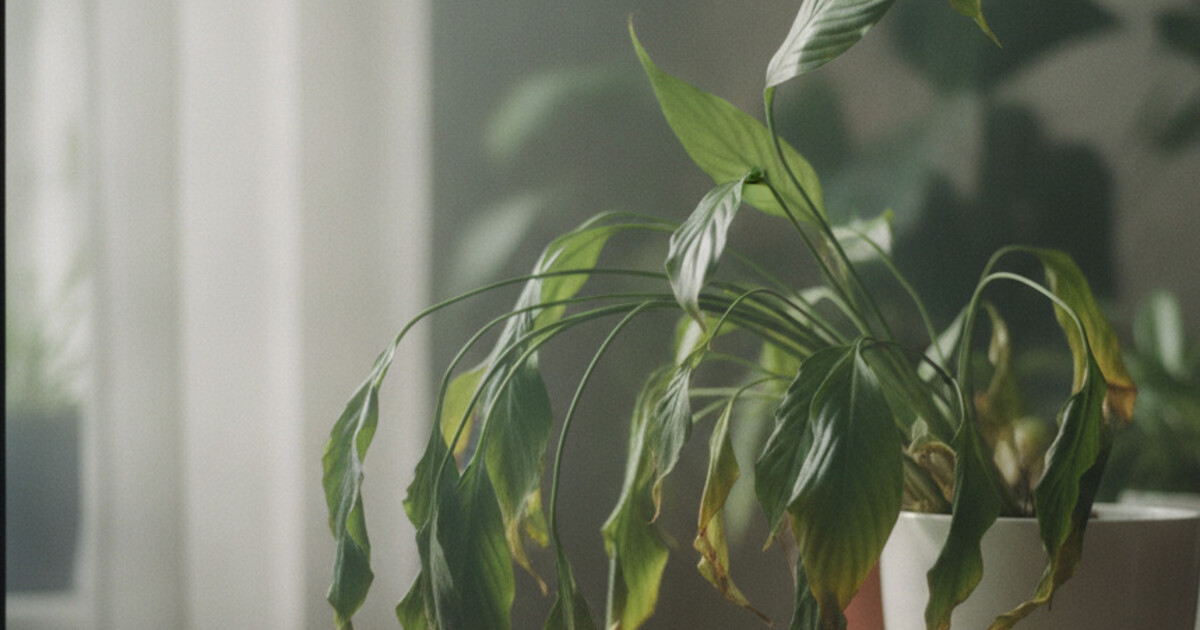
Peace lilies are some of the toughest houseplants around. Skip watering for a week and the plant droops so dramatically it looks finished, then bounces back fully within an hour of a good drink. That resilience is exactly what makes it alarming when your peace lily actually starts dying.
When drooping, yellowing, and wilting persist no matter what you do, something has gone wrong at the roots. Most peace lilies die from overwatering, not neglect. Soggy soil starves roots of oxygen, fungi move in, and the root system rots, leaving the plant unable to absorb water even when the soil is soaking wet.
Quick answer: To save a dying peace lily, check the roots first. If they’re brown and mushy, you have root rot: unpot the plant, cut away all rotten roots, dust the cuts with cinnamon or 3% hydrogen peroxide, and repot in fresh well-draining soil. If roots look white and firm, your plant just needs a thorough watering and brighter indirect light.
The Most Common Reasons a Peace Lily Is Dying
Peace lily (Spathiphyllum, 47 species) is native to tropical rainforests in Central and South America, where it grows on the forest floor in filtered light and humid conditions. In the home, it tolerates indirect light at 1,000–2,500 lux, bright enough to read by, without direct sun. Direct sun above 10,000 lux scorches the leaves within 30–60 minutes.
Overwatering is the most common cause of death. When soil stays wet too long, Pythium and Phytophthora fungi colonize the root system and turn roots brown and mushy. A peace lily with active root rot looks identical to one that’s been underwatered: both droop and develop yellowing leaves. The difference is that the underwatered plant recovers within 30–60 minutes of thorough watering; the root-rotted plant keeps drooping. Peace lily needs watering every 7–14 days in spring and summer, and every 14–28 days in winter. Soil temperature should stay above 45°F (7°C) to prevent cold damage.
Overwatering and root rot
The most common killer. Roots need air as much as water. When soil stays waterlogged for more than 10–14 days, oxygen runs out and Pythium or Phytophthora fungi set in.
Look for: drooping in wet soil, mushy or blackened stems at the base, a sour smell from the pot, brown slimy roots when you unpot.
Underwatering
Peace lilies tell you loudly when they’re thirsty: they droop and fold their leaves inward. Drought drooping looks exactly like root rot drooping, but the plant isn’t damaged yet. A wilted peace lily from drought recovers within 30–60 minutes once watered properly.
Look for: pot feels very light, soil pulling away from the edges, leaves folded inward but still green.
Low light
Peace lilies tolerate low light but don’t thrive in it long-term. Below around 200 lux (deep shade), new growth stops, leaves pale and yellow, and older leaves drop steadily.
Temperature stress and cold drafts
Below 55°F (13°C), peace lilies slow down noticeably. Below 45°F (7°C), you’ll see black patches on leaves and sudden wilting. Cold air from an AC vent or a drafty window causes the same damage without ever hitting the freezing point.
Pests
Spider mites, mealybugs, and scale all attack stressed peace lilies. Check the undersides of leaves for fine webbing (mites), white cottony clusters (mealybugs), or small brown bumps along the stems (scale).
How to Tell Root Rot from Underwatering
Root rot and underwatering cause nearly identical symptoms: drooping, yellowing, limp leaves. The fastest way to tell them apart is to check the roots directly.
Take the plant out of the pot, shake off loose soil, and look:
- Healthy roots: white to tan, firm, slightly fuzzy texture
- Root rot: brown to black, soft and mushy when pressed, sometimes with a sour smell
If the roots look healthy, skip straight to Step 6 below. Your peace lily needs water and a better location, not surgery.
For more on reading the soil and leaf signs before you unpot, our overwatered vs underwatered plant guide covers the differences in detail. Getting that diagnosis right saves a lot of unnecessary repotting.
How to Save a Dying Peace Lily
Work through these steps in order. Steps 1–5 address root rot. Steps 6–7 apply to any rescue situation.
Step 1: Stop watering
Don’t add more water to a drooping peace lily until you’ve checked the roots. A root-rotted plant can’t absorb it, and adding more water extends exactly the conditions that let fungi keep spreading.
Step 2: Unpot and rinse the roots
Gently slide the plant out of its pot. Shake off loose soil and rinse the roots under lukewarm water so you can see what you’re working with clearly.
Step 3: Cut away all rotten roots
Use clean scissors or pruning shears. Cut back to healthy white tissue. Be decisive: leaving even a small patch of rot behind lets it spread back into healthy roots within days.
Step 4: Treat the cuts
Dust the trimmed root ends with ground cinnamon, which acts as a mild antifungal, or dab with 3% hydrogen peroxide. Let the roots air-dry for 30–60 minutes before repotting.
Step 5: Repot in fresh, well-draining soil
Mix standard potting soil with perlite at a 2:1 ratio (two parts soil, one part perlite). Skip the old soil entirely. Rinse the pot with a diluted bleach solution (1 part bleach to 9 parts water) or use a fresh pot. Drainage holes are non-negotiable. If you removed most of the root mass, drop down one pot size so the remaining roots aren’t sitting in a large volume of soil that stays wet.
Step 6: Adjust your watering schedule
Water only when the top inch of soil is dry. In most homes during summer, that’s every 7–14 days. In winter, stretch it to every 14–28 days. Check the soil by pressing a finger in, not by looking at the calendar.
Step 7: Give the plant time in the right conditions
Place the plant in bright indirect light, away from cold drafts and direct sun. Skip fertilizer for 4–6 weeks after a root rot rescue: the plant needs to rebuild roots first, and fertilizer salts stress damaged root tissue.
New leaves take 2–4 weeks to appear after a severe rescue. That lag is normal. A peace lily that made it through the root trim usually pulls back fully once the drainage issue is fixed.
Peace Lily Leaves Turning Yellow
Yellowing leaves mean the plant is cutting energy to foliage it can’t sustain. Older, lower leaves yellowing and dropping is normal even on a healthy peace lily. When mid-plant or newer leaves yellow, dig into the cause:
- Overwatering or root rot: Yellow plus drooping plus wet soil. Most common.
- Underwatering: Yellow plus drooping plus bone-dry, lightweight pot.
- Nutrient deficiency: Yellow leaves with green veins point to iron or magnesium shortage. Use a balanced liquid fertilizer at half strength once a month during the growing season.
- Too much direct sun: Upper leaves turn pale yellow-white rather than deep yellow. Pull the plant back from the window.
Leaves that have already started to yellow won’t recover. Remove them cleanly once they’ve gone fully yellow so the plant can redirect energy to new growth instead.
How PlantlyAI Helps Diagnose Your Peace Lily
Symptoms often overlap enough that you can’t tell from looking whether you’re dealing with root rot, a nutrient problem, or pest damage. A photo diagnosis cuts through that.
PlantlyAI is an AI plant disease diagnosis app. Snap a photo of the affected leaves or stem and the app identifies the problem, then gives you a step-by-step treatment plan with organic, biological, and chemical options. If you’ve checked this guide and you’re still not sure what’s wrong, it’s the app that tells you what’s wrong with your plant built specifically for situations like this.
It works for peace lilies, monsteras, pothos, orchids, and most common houseplants. You get 2 free diagnoses a day with no account needed.
When you’re staring at a drooping peace lily and genuinely can’t tell if it’s thirst or root rot, that second opinion matters.
Frequently Asked Questions
Can a peace lily recover from root rot?
Yes, if you catch it early enough. Remove all rotten roots, treat the cuts with cinnamon or 3% hydrogen peroxide, and repot in fresh well-draining soil. Peace lilies are resilient: even plants that have lost more than half their root system often recover within 4–6 weeks when given proper drainage and indirect light after the rescue.
Why does my peace lily droop even after watering?
Drooping after watering almost always points to root rot. The roots are too damaged to absorb water, so the plant stays limp even in wet soil. Unpot and check the roots. If they’re brown and mushy, follow the root rot rescue steps above.
How often should I water a peace lily?
Every 7–14 days in spring and summer, and every 14–28 days in winter. Always check the soil before watering: the top inch should be dry to the touch. Peace lilies like consistent moisture between waterings, not soil that stays perpetually wet.
Why does my peace lily have brown tips?
Brown tips on peace lily almost always come from dry air or fluoride in tap water. Peace lilies are sensitive to both. Move the plant away from heating vents, mist the leaves occasionally, or switch to filtered or distilled water.
My peace lily has yellow leaves AND brown spots. What’s wrong?
Yellow leaves with brown spots can point to fungal leaf spot, root rot spreading upward into the foliage, or sunburn. Check the light levels, feel the soil moisture, and look at the root health. If the cause isn’t clear from the symptoms alone, PlantlyAI can identify it from a photo and give you a specific treatment plan.
Saving a peace lily usually comes down to fixing the drainage and giving the roots time to rebuild. Most “dying” peace lilies can pull through if the problem is caught before the root system is fully gone.
If your peace lily is struggling and you can’t pin down the cause, snap a photo in PlantlyAI on iOS or download for Android. The app diagnoses what’s wrong from a single photo and gives you a step-by-step fix, whether you prefer organic, biological, or chemical treatment. Two free diagnoses a day, no account required.
Not sure what's wrong? Diagnose your plant free
Upload a photo to our free plant disease identifier and get an instant diagnosis.