Lucky Bamboo Turning Yellow: Causes and How to Fix It
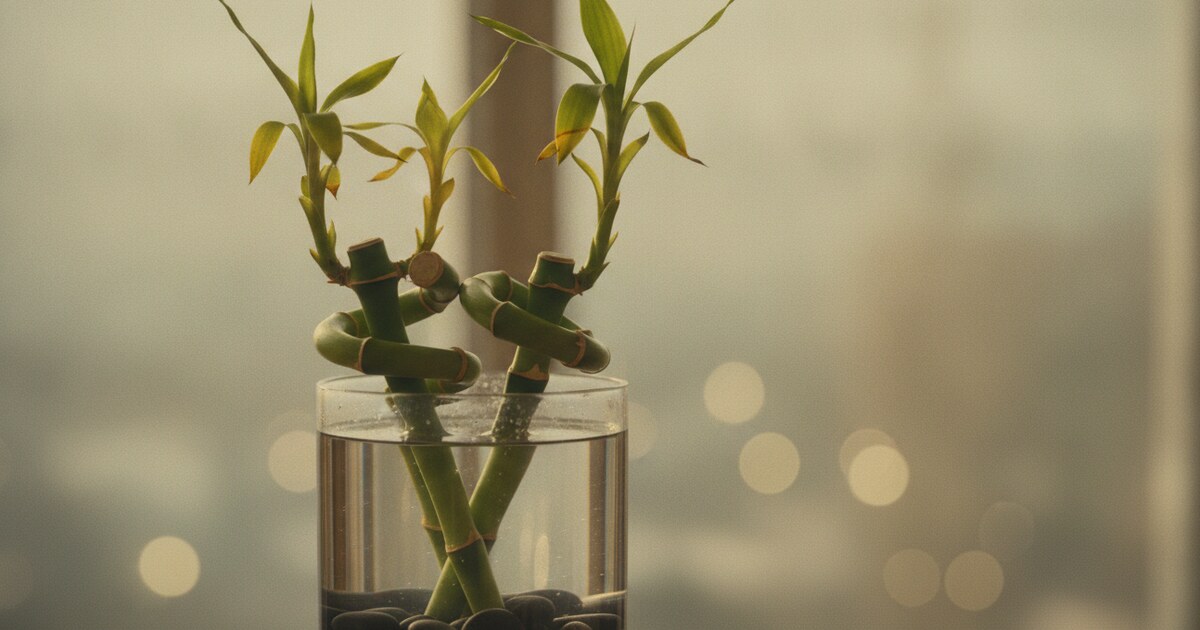
Lucky bamboo earns its reputation as a low-maintenance plant. It sits in a vase of pebbles and water, looks good for years, and asks for very little. So when lucky bamboo starts turning yellow, the signal is hard to miss. The plant is telling you something specific, and the fix is usually straightforward once you identify the cause.
Yellowing almost always traces back to one of a handful of problems: water quality, light, watering habits, fertilizer buildup, temperature stress, or pests. The shape of the yellowing, and where it shows up first, points directly to the culprit.
Lucky bamboo turning yellow usually comes down to poor water quality, specifically chlorine or fluoride in tap water. Other causes include too much direct sunlight, root rot from stagnant water or overwatered soil, overfertilization, cold drafts below 55°F, and pest infestations. Yellow leaves are usually fixable. A fully yellow stalk may not be.
Yellow Leaves vs Yellow Stalk: Why the Distinction Matters
Where the yellowing appears tells you how serious the situation is.
Yellow leaves, particularly the outer or lower ones, show up first in light stress, slight dehydration, or fertilizer problems. Strip the yellow leaves off cleanly and address the cause, and the plant typically pushes out new green growth within a few weeks.
A yellow stalk is more serious. The stalk (the green cane) carries the plant’s main vascular system. When it turns yellow from the base upward, root rot or long-term water toxicity is usually the cause. A stalk that’s gone fully yellow and feels soft won’t recover. If only part of the stalk has yellowed, cut the healthy green section above the damage, place it in fresh distilled water, and it can re-root and continue growing.
Lucky bamboo (Dracaena sanderiana) grows natively in Cameroon and the tropical rainforests of Central Africa, where it gets filtered light under forest canopy and consistently warm temperatures year-round. Despite its common name, it belongs to the Asparagaceae family, not the grass family that true bamboos come from. The plant thrives between 65°F and 90°F (18°C to 32°C); temperatures below 55°F (13°C) cause cellular damage that shows as yellowing. Because it’s adapted to soft rainwater in the wild, it’s especially sensitive to the fluoride and chlorine added to municipal tap water. Fluoride concentrations above 0.25 ppm can disrupt chlorophyll production, turning leaf tips and full leaves yellow over weeks or months. Plants grown in water containers are exposed to these toxins continuously, while soil-grown specimens buffer them slightly, but neither setup fully protects against long-term tap water use.
Water Quality: The Most Common Reason Lucky Bamboo Turns Yellow
If your lucky bamboo sits in tap water, water quality is the first thing to check, especially if the yellowing is gradual and starts at the leaf tips before spreading inward.
Municipal tap water contains chlorine and fluoride as standard additives. Lucky bamboo is particularly sensitive to both. Fluoride builds up in plant tissue over months, interfering with chlorophyll production. Chlorine dissipates more quickly but still stresses roots at typical municipal levels (0.5 to 4 ppm in US water systems).
Fixes:
- Switch to distilled, filtered, or rainwater right away. This alone resolves most tap-water yellowing over 2-4 weeks.
- If tap water is your only option, fill a container and leave it uncovered for 24-48 hours. Chlorine evaporates over that period, though fluoride does not.
- Change water in water-grown setups every 7-10 days. Stagnant water concentrates toxins and creates oxygen-depleted conditions that damage roots.
- Keep the water level about 1-2 inches above the bottom of the stems. Submerging the full root system invites rot.
Once you switch water sources, give the plant 3-4 weeks before judging progress. Fluoride damage already in the leaves won’t reverse, but new growth should come in green.
Light and Temperature Problems
Lucky bamboo does well in indirect, moderate light (around 1,000 to 2,000 foot-candles), roughly what you’d find 3 to 5 feet from a bright window. Too much direct sun scorches leaves within days, turning them yellow and then brown-edged. Too little light causes slower, more uniform yellowing along with progressively weaker growth.
Signs of too much light: yellow leaves with brown tips or edges, appearing first on the side closest to the window.
Signs of too little light: pale yellowing spread across multiple leaves, thin or stretched new growth leaning toward the light source.
Move an over-lit plant to filtered or indirect light. An east-facing window works well. Keep it out of direct afternoon sun entirely.
Temperature stress triggers yellowing just as fast. Exposure below 55°F (13°C) breaks down the plant’s cellular structure, and you’ll see yellowing within a week or two. Heat above 90°F (32°C) causes stress too, though it’s less common indoors.
Common indoor cold-stress sources: air conditioning vents blowing directly on the plant, drafty windows in winter, or placement near an exterior door. Move the plant away from drafts and keep room temperature between 65°F and 85°F consistently.
Watering Mistakes in Soil and Water Setups
Whether you grow lucky bamboo in soil or in a water vase, overwatering causes yellowing in different ways.
In soil: Roots sitting in perpetually wet soil develop rot within days. Rotted roots can’t transport nutrients, so leaves go yellow and the stalk follows. Check by lifting the plant from its pot and looking at the roots. Healthy roots are white or pale tan. Rotted roots are brown, black, or mushy.
To fix: trim off rotted roots with sterile scissors, let the plant air out for a few hours, and repot in fresh well-draining soil. Mix in 20-30% perlite if your current mix is dense. Water only when the top inch of soil is dry, and confirm the pot has drainage holes.
In water: Stagnant water grows algae and bacteria that coat roots and starve them of oxygen. If the water smells off or has turned green or murky, change it immediately. Rinse the roots gently, scrub the container with diluted white vinegar, and refill with distilled water.
For a broader look at reading overwatering signals across plant types, see overwatered vs underwatered plant.
Underwatering matters more for soil-grown plants. If the soil is bone dry and outer leaves are yellowing and crispy at the tips, give the plant a thorough soak until water drains from the bottom, then let the soil partially dry before watering again.
Overfertilization Buildup
Lucky bamboo needs almost no fertilizer. In its native habitat it grows in lean, low-nutrient conditions. One drop of liquid fertilizer at 10% strength, once or twice a year, is enough. Fertilizing more often or at higher concentrations builds up salts in the soil or water, which burns the roots and causes yellowing that starts at the leaf tips.
For water-grown plants: do a full water change with distilled water and skip fertilizer for at least 6 months.
For soil-grown plants: flush the soil with 3-4 times the pot volume of distilled water to push excess salts out through the drainage holes. Let it dry before the next watering, and hold off on feeding for the rest of the growing season.
If the yellowing is severe and roots show clear salt damage, repotting in fresh soil gives the plant a clean start.
Pests on Lucky Bamboo
Pests are a less common cause of lucky bamboo turning yellow, but worth checking when other causes don’t fit the pattern. Spider mites, mealybugs, and aphids all feed on plant sap and leave behind stippled, pale, or fully yellow leaves as they drain the plant.
Spider mites show up as fine webbing on leaf undersides and between stems. Leaves look dusty or speckled.
Mealybugs appear as white cottony clusters at leaf joints or along the stalk.
Aphids are small green or black insects clustered near new growth.
For a light infestation, wipe leaves and the stalk with a cotton swab dipped in 70% isopropyl alcohol. For moderate to heavy infestations, spray the plant thoroughly with neem oil solution (2 teaspoons neem oil plus 1 teaspoon dish soap per quart of water), covering both sides of every leaf. Repeat every 5-7 days for 3 weeks, and isolate the plant from others until it’s clear.
A similar treatment approach works for spider mites on houseplants and most other common indoor plant pests.
How to Diagnose Yellow Lucky Bamboo Fast
When multiple causes are possible and the plant keeps yellowing despite your adjustments, a photo-based diagnosis cuts through the guesswork.
PlantlyAI lets you photograph your yellowing lucky bamboo and returns a specific diagnosis within seconds: pest attack, root rot, water toxicity, light stress, or another care issue. It gives you 2 free diagnoses per day with no account required, and covers houseplants, vegetables, garden plants, and crops. Once it identifies the problem, it walks you through a step-by-step treatment plan with organic, biological, and chemical options.
Snap a photo of your lucky bamboo and get a diagnosis in the PlantlyAI app on iOS or Google Play for Android.
Frequently Asked Questions
Can yellow lucky bamboo turn green again?
Yellow leaves won’t turn green once the chlorophyll is gone, but you can remove them and the plant will produce new green leaves once the underlying cause is fixed. Yellow stalks are harder to reverse. A fully yellow, soft stalk is dead. Cut a healthy green section above the damage, place it in distilled water, and it can re-root and keep growing.
Should I remove yellow leaves from lucky bamboo?
Yes. Snip yellow leaves off cleanly at the base with sterile scissors. Leaving them on wastes the plant’s energy and can invite fungal growth. Removing them also makes it easier to see whether the problem is spreading or stabilizing.
How often should I change the water in lucky bamboo?
Every 7-10 days. Clean water prevents bacterial buildup, root oxygen deprivation, and algae growth. Use distilled or filtered water each time. If the water smells off or turns murky before the 7-day mark, change it immediately rather than waiting.
Why is my lucky bamboo stalk turning yellow?
A yellowing stalk usually signals root rot from stagnant or overwatered conditions, or long-term fluoride and chlorine damage from tap water. Check the roots: brown and mushy roots mean root rot. If the roots look healthy but you’ve been using tap water for months, sustained water toxicity is the more likely cause. Switch to distilled water, trim any damaged roots, and see if new growth comes in green.
Can lucky bamboo recover from yellow leaves?
Usually yes, if you catch it early and fix the cause. Switch to distilled water, correct the light conditions, and hold off on fertilizer. Strip the yellow leaves and give the plant 3-4 weeks. Most lucky bamboo pushes out fresh green growth once the stressor is removed. A plant with a still-green stalk has good recovery odds.
Not sure what's wrong? Diagnose your plant free
Upload a photo to our free plant disease identifier and get an instant diagnosis.