Pepper Plant Leaves Curling: Causes and How to Fix It
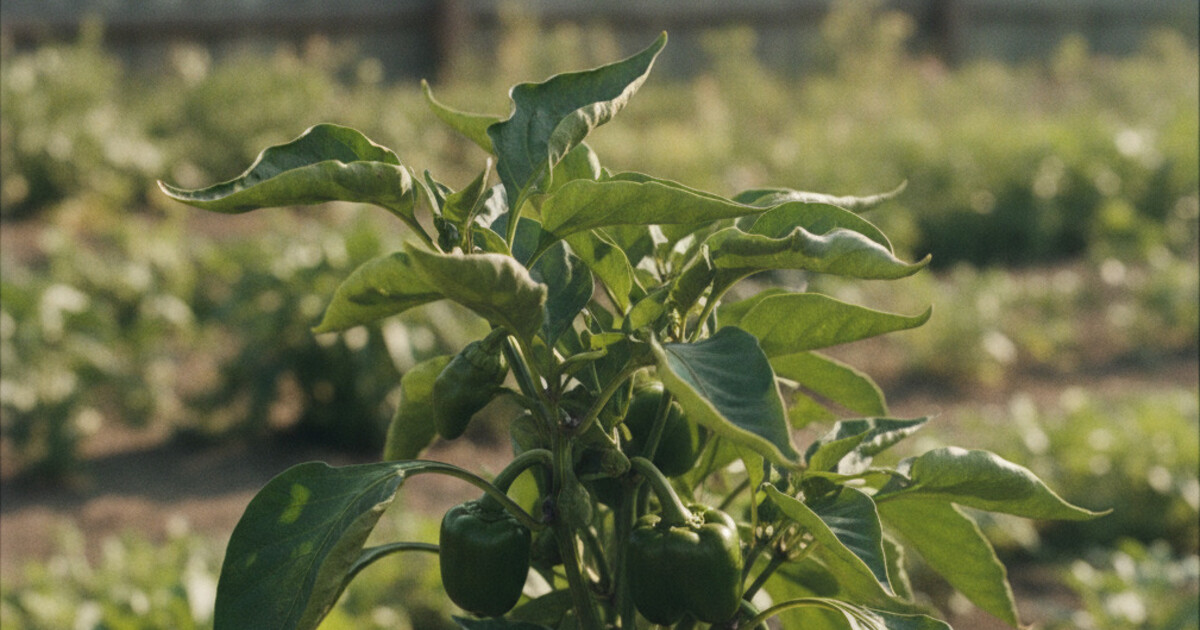
Your pepper plants were looking healthy a few days ago, and now the leaves are curling and you’re not sure what changed. The frustrating part is that curling leaves can mean half a dozen different things, from a simple watering fix to a broad mite infestation that spreads through new growth and permanently distorts it. The faster you identify which one you’re dealing with, the better your chance of saving the plant.
The direction of the curl tells you more than any other single clue. Leaves that roll upward and inward are usually reacting to heat or drought. Leaves that bend downward toward the soil, feeling soft, often signal overwatering or pest feeding on the undersides.
Quick answer: Pepper plant leaves curl from heat stress, inconsistent watering, pest feeding, or viral infection. The direction of the curl is the most useful clue: upward curling with firm green leaves points to heat or drought, downward curling with soft tissue often means overwatering or aphid damage, and twisted distorted new growth usually indicates broad mites.
Why Pepper Plant Leaves Curl: Reading the Direction
The fastest way to narrow down the cause is to check which direction the leaves are rolling and what other symptoms come with it. Color changes, webbing, sticky residue, new growth distortion, and soil moisture together give you the full picture.
Pepper plants (Capsicum annuum and close relatives like Capsicum chinense and Capsicum frutescens) originated in warm, humid regions of Central and South America, where daytime temperatures stay between 70-85°F and consistent soil moisture is available. When temperature climbs above 90°F, peppers pull water back toward the root zone and away from leaves, causing the leaf margins to curl upward and inward to reduce the surface area exposed to heat and wind. This response cuts water loss through the leaf surface but also slows photosynthesis at the same time. A plant that curls during afternoon heat and recovers by morning is showing a normal stress response. One that stays curled through the following morning is signaling chronic stress. Downward curling tells a different story: leaves that bend toward the soil, feel soft, and are accompanied by yellowing often indicate root oxygen loss from waterlogged soil. Both patterns look similar at a glance but call for opposite treatments.
Two exceptions worth knowing: broad mites cause curling in any direction alongside puckering and permanent distortion of new leaves, and viral infections tend to produce mottled, mosaic-patterned curling that doesn’t fit neatly into the upward or downward model.
Heat Stress: Why Pepper Leaves Curl Upward in Summer
High temperatures are the most common reason for pepper plant leaves curling during summer. When air temps push above 90°F, peppers roll their leaves upward to cut down the surface area losing water through transpiration. The leaves stay green and firm, which separates heat curl from drought curl, where the leaves eventually go limp.
Sunscald can layer on top of heat stress. If a plant moves suddenly from a shaded spot to full sun, or spends a day in unusually intense afternoon light, exposed leaf tissue bleaches to pale tan or white and may crinkle at the edges.
Fix heat stress: Shade cloth filtering 30-40% of sunlight protects peppers when daytime temps consistently exceed 90°F. Water deeply in the early morning so the root zone is saturated before afternoon heat hits. Mulch 2-3 inches deep over the root zone keeps soil temperatures 10-15°F cooler than bare ground. Container plants can move to afternoon shade on the hottest days.
Watering Problems in Pepper Plants
Underwatering produces upward leaf curl that happens within hours. Once the soil dries out, peppers lose turgor pressure quickly and the leaves start rolling inward. Push your finger 2 inches into the soil: if it’s dry at that depth, the plant is thirsty. Underwatered leaves feel crisp rather than supple.
Overwatered peppers show a softer, downward curl. The leaves often yellow from the bottom of the plant upward, and the soil stays consistently damp. When roots sit in wet soil too long, they lose the ability to absorb oxygen, which creates a confusing picture where the plant looks dehydrated even though the soil is wet. The leaves go limp, curl downward, and pulling the plant from its pot often reveals brown mushy roots.
For more on reading the difference between the two, the guide on overwatered vs underwatered plant covers the key signs for garden and houseplants.
Underwatering fix: Water deeply until it drains from the bottom of the container, then let the top 1-2 inches dry before watering again. Peppers in pots typically need water every 1-3 days during peak summer heat.
Overwatering fix: Let the soil dry down before watering again. Add perlite to the mix to improve drainage, and confirm containers have working drainage holes. If root rot has started, trim the brown mushy roots, dust the cuts with cinnamon, and repot in fresh dry mix.
Pests That Make Pepper Plant Leaves Curl
Pests cause some of the most severe and misleading leaf curl in peppers, and they’re easy to miss because the insects are tiny or hidden on the leaf undersides.
Broad mites (Polyphagotarsonemus latus) are the most damaging and the hardest to spot without magnification. At 0.2 millimeters long, they’re invisible to the naked eye. They inject a toxic saliva into new growth that causes leaves to curl downward, pucker, and distort in ways that never recover. Affected new leaves emerge twisted, cupped, and permanently misshapen. If the youngest growth on your pepper is the most curled and deformed while older leaves look relatively normal, suspect broad mites before anything else.
Spider mites thrive in hot, dry conditions above 80°F. They leave fine webbing on the undersides of leaves, and the leaf surface stipples with tiny pale dots before curling and turning bronze at the edges. Check the undersides of leaves carefully, ideally with a hand lens. The treatment approach for spider mites on peppers mirrors the method covered in the spider mites on monstera guide: insecticidal soap or neem oil focused on leaf undersides, repeated every 3-5 days.
Aphids cluster on new growth and leaf undersides, curling leaves downward and inward around the colony as they feed. Sticky honeydew deposits on the leaves and a black sooty mold coating are signs of an established infestation.
Pest treatments by type:
- Broad mites: Spinosad or neem oil applied to all new growth every 5-7 days for 3 weeks. Remove and discard severely distorted growth immediately.
- Spider mites: Insecticidal soap or neem oil on leaf undersides, every 3-5 days. Increase humidity around the plants.
- Aphids: Start with a strong water spray to dislodge the colonies, then apply insecticidal soap every 4-5 days until the infestation clears.
Viral Disease, Nutrient Gaps, and Herbicide Drift
If you’ve ruled out heat, watering, and pests, and the curling comes with mottled coloring, ring spots, or mosaic patterns on the leaves, a viral infection is likely.
Cucumber Mosaic Virus (CMV) spreads through aphids, which is another reason to control aphid populations before they build up. Pepper Mild Mottle Virus (PMMoV) spreads through contaminated soil, infected plant debris, and tools, not through aphid feeding. Both cause similar symptoms: leaves curl upward with light and dark green mottling and the plant becomes stunted. There’s no chemical treatment for plant viruses. Remove and bag infected plants right away, and sterilize tools with a 10% bleach solution before touching healthy plants.
Calcium deficiency causes upward curling starting at the leaf margins, particularly in new growth. Soil calcium is often fine, but inconsistent watering prevents proper absorption. Foliar calcium chloride spray at 0.5% concentration, applied twice a week, helps short-term. Fixing watering consistency solves the underlying issue.
Herbicide drift from nearby lawn treatments produces a very specific symptom: leaves twist and spiral in a corkscrew pattern called epinasty, distinct from the neat upward or downward roll caused by heat or water stress. If this appeared after a lawn service worked nearby, that’s the likely source. Affected leaves won’t recover, but new growth should emerge normal once exposure ends.
How PlantlyAI Can Help
Telling broad mite damage apart from a viral infection, or calcium deficiency from heat stress, is genuinely difficult, especially when more than one problem hits at once. PlantlyAI lets you photograph the affected leaves and get a diagnosis in seconds, along with a step-by-step treatment plan.
The app covers vegetables, garden crops, and houseplants, so pepper plants fall right in its wheelhouse. After identifying the likely cause, it gives you treatment options across organic, biological, and chemical approaches so you can choose what fits your garden. Two free diagnoses daily, no account needed.
Snap a photo of your curling pepper plant in PlantlyAI before symptoms spread further. Download it on the App Store or Google Play and get a diagnosis while the light is good.
Frequently Asked Questions
Why are my pepper plant leaves curling up?
Upward curling comes from heat stress or underwatering. When temperatures exceed 90°F, peppers roll their leaves to cut down on water loss through the leaf surface. Check the soil 2 inches deep: if it’s dry, water deeply. If the soil is moist and it’s a hot day, shade the plant during peak afternoon heat with 30-40% shade cloth.
Why are my pepper plant leaves curling down?
Downward curling in peppers usually signals overwatering, root damage, or pest feeding on the leaf undersides. Check whether the soil has been consistently wet, and flip leaves over to look for aphid clusters or spider mite webbing. Overwatered plants often show yellowing starting at the lower leaves alongside the downward curl.
What do broad mites look like on pepper plants?
Broad mites are 0.2 millimeters long and invisible without a hand lens or magnifier. The symptom is what alerts you: new growth that emerges twisted, cupped, and permanently distorted rather than flat. Affected leaves don’t straighten. Looking at growing tips with a 10x hand lens may reveal tiny translucent mites moving near the newest growth.
Can pepper plants recover from curling leaves?
It depends on the cause. Heat stress and watering problems are fully reversible once conditions improve. Leaves curled from broad mite saliva or viral infection won’t straighten because the tissue is damaged, but the plant can produce healthy new growth once the underlying problem is controlled. Viral infections aren’t treatable, and removing the plant protects others nearby.
Do pepper plant leaves curl after transplanting?
Yes, and it’s usually temporary. Transplant shock causes upward curling as the root system adjusts to its new location. Keep soil evenly moist and avoid direct afternoon sun for the first 7-10 days. Curling from transplant shock typically resolves on its own as new roots establish in the surrounding soil.
Photograph your pepper plant in PlantlyAI to confirm the diagnosis before starting treatment. The app identifies diseases, pests, and care problems from a single photo and gives you a specific fix to try first. Download it free on the App Store or Google Play.
Not sure what's wrong? Diagnose your plant free
Upload a photo to our free plant disease identifier and get an instant diagnosis.