Squash Leaves Turning Yellow: Causes and How to Fix It
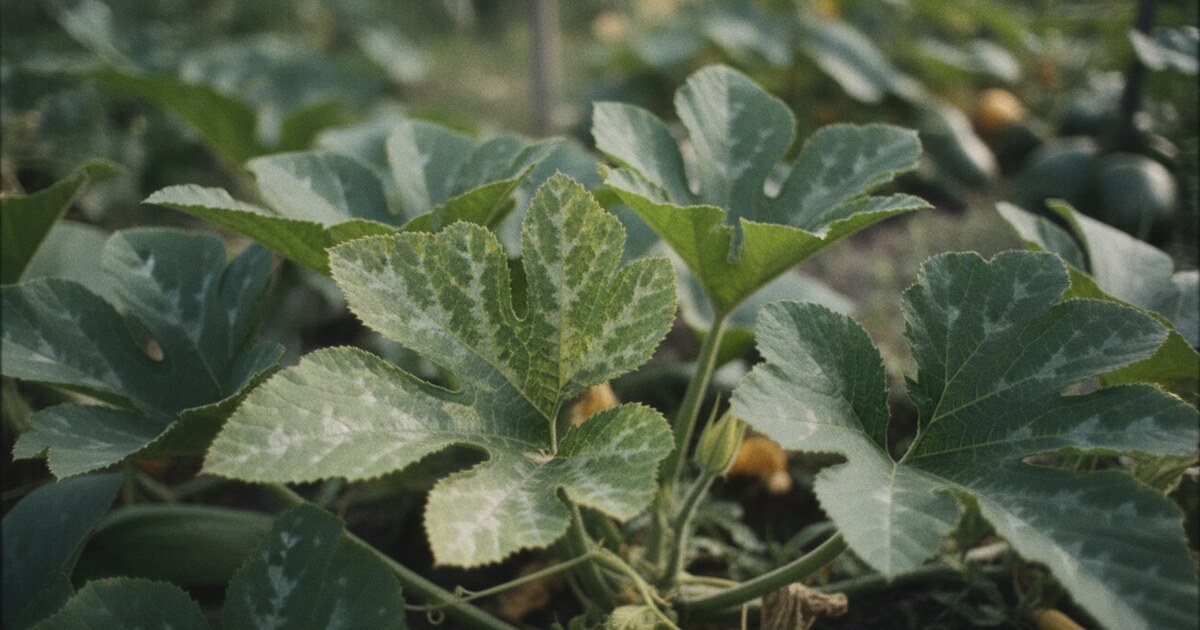
Your squash was growing strong, and now the leaves are going yellow. Before you reach for fertilizer or change your watering, check where on the plant the yellowing is happening. Bottom leaves going yellow in midsummer? That’s usually nitrogen or natural aging. New growth turning pale? That points to iron or magnesium. Whole vine losing color at once? Watering or root damage is the likely cause.
The location and pattern of yellowing on squash leaves are your fastest diagnostic clues.
Quick answer: Squash leaves turn yellow from nitrogen or magnesium deficiency, overwatering or underwatering, squash vine borers, downy mildew, or cucumber mosaic virus. Start by checking which leaves yellow first: bottom leaves usually mean nitrogen deficiency or natural aging, while new growth yellowing points to iron or pH problems, and mottled patches suggest viral infection.
Reading the Yellow Pattern on Squash Leaves
Where the yellowing starts tells you most of what you need to know before doing anything else.
Squash plants (Cucurbita pepo, C. maxima, C. moschata) are among the most nutrient-hungry vegetables in the home garden. A mature vine puts out 20 to 30 leaves per season while setting fruit continuously for 60 to 80 days, which drains soil nitrogen quickly. In unamended backyard soil, nitrogen levels can drop enough to cause visible yellowing within 4 to 6 weeks of transplanting, especially during rapid vine growth or heavy fruit set. Nitrogen deficiency causes uniform pale yellowing starting on the oldest leaves first. Magnesium deficiency causes interveinal chlorosis on mid-plant leaves, where the veins stay green but the tissue between them turns yellow. Iron deficiency shows the same interveinal pattern but starts on the youngest leaves, usually tied to soil pH above 7.5 or waterlogged roots that block iron uptake. Each pattern points to a different fix, so identifying which leaves are yellowing first is the fastest diagnostic step you can take.
Here’s what each pattern means in practice:
Bottom or oldest leaves yellowing first: Nitrogen deficiency or natural aging. Squash pulls nitrogen from older leaves to fund new growth when soil N runs low. The yellowing is solid and pale, starting at the leaf margins and spreading inward. A few yellow lower leaves in midsummer are completely normal.
Yellow between the veins on mid-plant leaves: Magnesium deficiency. The veins stay dark green while the tissue between them turns yellow. This pattern typically appears on mid-canopy leaves first, not the oldest or newest.
Youngest or terminal leaves yellowing: Iron deficiency, usually caused by soil pH above 7.5, cold soil below 50°F, or waterlogged roots that block iron uptake. Apply chelated iron as a foliar spray and check soil pH.
Mottled or mosaic yellow patches: Cucumber Mosaic Virus (CMV) or Squash Mosaic Virus (SqMV), transmitted by aphids and cucumber beetles. Leaves may also curl or distort. Plants with virus won’t recover; remove and bag infected vines before the infection spreads to neighboring plants.
Pale yellow fading to crispy brown from the leaf edges: Combined with wilting during the hottest part of the day, this usually points to underwatering or stem damage from squash vine borers.
Watering Problems That Turn Squash Leaves Yellow
Both overwatering and underwatering cause yellowing in squash, and in the early stages they can look similar.
Squash needs 1 to 2 inches of water per week, applied at the soil level rather than overhead. Overhead watering keeps foliage wet and encourages fungal disease. During fruit set and heat waves, plants may need closer to 2 inches per week.
Underwatered squash wilt dramatically during the hottest part of the day, then recover somewhat in the evening. Lower leaves go yellow and crispy from the edges inward. Stick your finger 2 to 3 inches into the soil: if it’s dry, water deeply and slowly at the base, then mulch 2 to 3 inches around the root zone to hold moisture.
Overwatered squash shows yellow leaves that are often soft or slightly limp rather than crispy. The soil stays wet for several days after watering. Check the crown and main stem at soil level for soft, discolored tissue: that’s root rot beginning. Fix by letting the soil dry out between waterings, improving drainage with raised beds or added perlite, and reducing watering frequency.
For a closer look at how to distinguish the two, see our guide on overwatered vs underwatered plant signs.
Nutrient Deficiencies That Yellow Squash Leaves
Nitrogen is the most common deficiency in squash, but magnesium and iron problems produce different enough patterns to tell apart with a close look.
Nitrogen: Solid pale yellowing moving up from the oldest leaves. Add a balanced vegetable fertilizer (10-10-10 or similar) or diluted fish emulsion. Liquid fertilizer shows results in 5 to 7 days; granular takes longer but feeds more evenly.
Magnesium: Interveinal chlorosis on mid-plant leaves. The veins stay green while the tissue between them turns yellow. Treat with an Epsom salt foliar spray: 1 tablespoon per gallon of water, applied every 2 weeks until new growth looks normal.
Iron: Same interveinal pattern as magnesium but starting on the youngest leaves rather than mid-canopy ones. Caused by soil pH above 7.5, cold soil temperatures, or waterlogged conditions that lock iron into unusable forms. Apply chelated iron as a foliar spray for faster results while you work on correcting soil pH with sulfur amendments over the longer term.
A basic soil test kit ($10 to $20 at most garden centers) tells you nitrogen levels and pH in about 15 minutes and removes the guesswork before you buy anything.
Pests and Diseases That Cause Yellow Squash Leaves
Some of the most damaging causes come from insects and fungal pathogens rather than watering or nutrient problems.
Squash vine borer (Melittia cucurbitae): The larvae bore into the main stem at the base and cut off water and nutrient flow to the entire vine. The first sign is sudden wilting, followed by whole-vine yellowing. Look for a small entry hole with greenish frass (sawdust-like waste) at the base of the stem. Peak activity runs from late June through August across most of North America. You can sometimes save the vine by slitting the affected stem section, removing the larva, and burying that damaged section under moist soil to encourage rerooting.
Squash bugs (Anasa tristis): Feed by injecting toxins into the leaves, causing localized yellowing and wilting patches. Check the undersides of leaves for clusters of bronze-colored eggs and remove them by hand. Adult squash bugs are hard to control with sprays once mature; focus on egg removal and row covers before plants flower.
Cucumber beetles: Both striped and spotted varieties feed on foliage and transmit bacterial wilt and Cucumber Mosaic Virus. They’re small, about 1/4 inch, with distinct yellow-and-black markings. Treat with neem oil or spinosad sprays in the early morning before pollinators are active.
Downy mildew (Peronospora farinosa): Yellow angular patches on the upper leaf surface, with grayish-purple fuzzy growth visible on the undersides in humid conditions. Spreads fast in cool, wet weather below 65°F. Remove infected leaves, improve air circulation by pruning crowded foliage, and apply copper-based fungicide at the first sign.
Powdery mildew: A white powdery coating on leaf surfaces that causes the underlying tissue to yellow as the infection progresses. More common in late summer. Treat with neem oil, potassium bicarbonate, or a baking soda solution (1 teaspoon per quart of water with a few drops of dish soap).
For guidance on fungal leaf diseases in vegetable gardens, see our article on septoria leaf spot treatment.
How PlantlyAI Helps You Diagnose Squash Leaf Problems
Five different problems can produce leaves that look nearly identical. Vine borer damage in its early stages looks like drought stress. Mosaic virus looks like patchy nutrient deficiency. Downy mildew starts as yellowing before the fuzzy growth appears on the leaf underside.
PlantlyAI lets you photograph the affected leaves and get an AI diagnosis on the spot, along with a step-by-step treatment plan covering organic, biological, and chemical options. It works across vegetable garden plants, houseplants, and ornamentals, so one app covers everything growing in your yard.
Two free diagnoses per day, no account required. Download on iOS or Android and snap a photo of your squash leaves to get started.
Frequently Asked Questions
Why are only the bottom squash leaves turning yellow?
Bottom leaves yellowing first is almost always nitrogen deficiency or natural leaf aging. As squash vines grow, they pull nitrogen from older leaves to fund active growth higher on the plant. A few yellow lower leaves in midsummer are normal. If more than a third of the lower canopy yellows quickly or the yellowing spreads upward, add a nitrogen-rich fertilizer.
Can yellow squash leaves turn green again?
Leaves that yellowed from nitrogen or magnesium deficiency often green up within 1 to 2 weeks after fertilizing. Leaves that yellowed from viral infection, root rot, or severe pest damage won’t recover. Remove them and monitor new growth as your health indicator: fresh leaves growing in normal green are a good sign the plant is responding.
Do squash leaves naturally yellow at the end of the season?
Yes. After 60 to 70 days of active production, lower and mid-canopy leaves begin to senesce and turn yellow regardless of watering or fertilizer. This is normal aging. The plant is winding down production, not dying from disease or deficiency.
How do I tell mosaic virus from nutrient deficiency?
Mosaic virus causes an irregular mottled pattern with alternating light and dark yellow or green patches, often with leaf distortion and curling. Nutrient deficiency causes a more uniform yellowing or a distinct interveinal pattern with green veins and yellow tissue between them. If leaves are also crinkled or distorted, suspect virus. If the yellowing is even and follows the vein pattern, suspect a deficiency.
What’s the fastest fix for yellow squash leaves?
For nutrient deficiency, a liquid fertilizer or fish emulsion shows results in 5 to 7 days. For magnesium, Epsom salt foliar spray works in about a week. Watering problems often show improvement within 48 hours as new growth firms up. Pest and disease fixes take longer; focus on stopping further spread rather than trying to revive already-yellow leaves.
If you’re not sure which problem you’re dealing with, take a photo of the affected leaves and run it through PlantlyAI for a diagnosis before you treat. Squash problems often stack: a plant weakened by underwatering is more vulnerable to vine borers and mosaic virus, and treating the right cause first makes every follow-up step more effective.
Not sure what's wrong? Diagnose your plant free
Upload a photo to our free plant disease identifier and get an instant diagnosis.