String of Hearts Leaves Mushy and Yellow: Causes & Fixes
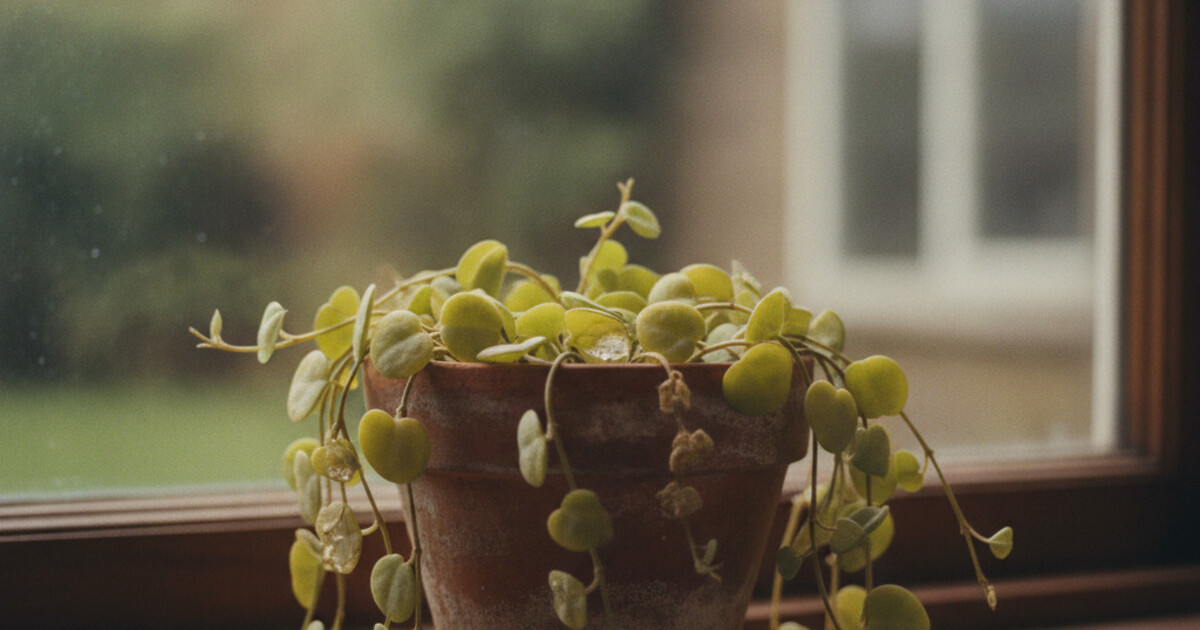
String of hearts (Ceropegia woodii) normally looks crisp: firm, heart-shaped leaves with that distinctive pink-purple underside, hanging in long trailing chains. When those leaves go mushy and yellow, something has gone wrong at the root level. The change can happen fast, and the window to fix it is narrower than most people expect.
Mushy and yellow together is a specific combination that points to one main culprit. This article covers what causes string of hearts leaves to go mushy and yellow, how to confirm your diagnosis quickly, and exactly what to do to bring the plant back.
Mushy, yellow leaves on a string of hearts almost always mean overwatering or root rot. Roots sitting in wet soil decay and stop delivering nutrients upward. The leaves lose cell pressure first (going mushy) then lose their green color. Catching it before rot reaches the main stems or tubers gives you a good chance of saving the plant.
Why String of Hearts Leaves Go Mushy and Yellow
Ceropegia woodii is a semi-succulent from southern Africa, native to rocky hillsides in South Africa’s KwaZulu-Natal, Limpopo, and Eastern Cape provinces, as well as Zimbabwe and Swaziland. Its natural habitat delivers long dry spells broken by short rainy periods, which shaped leaves and underground tubers that store water well. Most houseplant problems start when owners water it like a tropical rather than a semi-succulent.
When a string of hearts sits in wet soil for more than a few days, the roots can’t get oxygen and begin to decay. Root rot pathogens, primarily Pythium and Phytophthora species, thrive in waterlogged conditions at soil temperatures between 60°F and 95°F (15-35°C), which covers most indoor environments. These oomycetes spread through the root system within 48-72 hours of sustained wet conditions, destroying root tissue faster than the plant replaces it. As roots die, they stop moving water and nutrients upward. Leaves lose their internal cell pressure first (going mushy) and then their green pigment (going yellow). By the time a string of hearts shows both symptoms together, root rot has typically been active for at least 1-2 weeks. A string of hearts needs watering every 10-14 days in summer and every 3-4 weeks in winter, and only when the top 2 inches of soil are completely dry. A mix that drains in under 30 seconds after watering is the baseline requirement.
Overwatering: The Most Common Cause of Mushy Yellow Leaves on String of Hearts
Overwatering is by far the most common cause of mushy, yellow string of hearts leaves. It’s also the most fixable, as long as you catch it before rot reaches the main stems or tubers.
Look for these signs alongside the mushy yellow leaves:
- Soil still feels wet or damp several days after watering
- A faint sour or musty smell from the pot or soil
- Vines near the soil line feel limp or soft, not just the leaves
- The pot feels heavier than expected for its size
The pot and soil both matter here. A pot without drainage holes traps water with no way out. Standard potting mix holds too much moisture for string of hearts. The combination of poor drainage and heavy soil creates waterlogged conditions even if you’re not watering excessively.
Pay attention to the texture of the leaves. Overwatered plants show soft, mushy tissue. Underwatered string of hearts leaves shrivel and wrinkle rather than going mushy. The mushy texture is the key tell for too much water, not too little.
Also note where the yellow leaves are concentrated. Mushiness and yellowing on vines near the soil surface points to a root problem. Random yellowing higher up the plant with no mushiness is more likely a watering frequency issue or normal leaf turnover.
How to Check for Root Rot
Simple overwatering (wet soil, roots still intact) and active root rot look similar above the surface. The difference is how far the damage has gone underground.
Slide the plant out of its pot and look at the roots directly. Healthy string of hearts roots are white or light tan and feel firm. Rotted roots turn brown or black, feel slimy, and fall apart when touched. If roughly half or more of the roots still look healthy, you can save the plant.
Press a vine right at the soil line. Healthy vines feel firm all the way to the base. If a vine feels mushy at the base but firm further up, rot has started climbing the stem. This is the same progression you’d find with monstera root rot or any other overwatered houseplant, and it means you need to act the same day.
How to Save a String of Hearts With Mushy Yellow Leaves
Work quickly. The rescue process takes 20-30 minutes and has a high success rate if the rot hasn’t reached the tubers yet.
Step 1: Unpot the plant. Tip the pot and slide the root ball out gently. Shake off loose soil so you can see the full picture.
Step 2: Rinse the roots. Run the roots under room-temperature water to remove soggy soil and get a clear look at what’s healthy and what isn’t.
Step 3: Trim rotted roots. Use clean scissors. Cut away all brown, black, or mushy roots back to healthy white tissue. Dip the blades in a 1:9 mix of hydrogen peroxide and water between cuts to avoid spreading rot pathogens from one root to another.
Step 4: Let the roots air dry. Set the plant on a dry surface for 2-4 hours before repotting. This gives the cut ends time to callous over slightly and reduces the chance of re-infection.
Step 5: Repot in fresh dry mix. Use a pot with drainage holes. A 50/50 blend of cactus mix and perlite works well for string of hearts. Fill around the roots without compressing the soil.
Step 6: Hold off on watering. Wait 5-7 days before the first watering after repotting. The root system needs time to settle, and mild dry stress encourages new root growth.
Remove all mushy yellow leaves before repotting. They won’t recover, and leaving them attached can spread fungal growth to the stems.
Preventing Mushy Yellow Leaves on String of Hearts
String of hearts thrives on neglect when the setup is right. Getting that setup correct upfront prevents most problems.
Watering cadence. Water thoroughly every 10-14 days in spring and summer, every 3-4 weeks in autumn and winter. Always wait until the top 2 inches of soil are completely dry. If you’re unsure, wait 2-3 more days. String of hearts handles a short dry spell far better than sitting in wet soil.
Soil. A 50/50 mix of cactus soil and perlite drains fast enough for this plant. Standard houseplant potting mix stays wet too long and sets up the conditions for root rot.
Pot material. Terracotta pulls moisture away from the soil faster than plastic or glazed ceramic. For a plant that’s prone to overwatering problems, terracotta is worth choosing.
Seasonal adjustment. Cut back watering in autumn and winter when the plant slows down. The most common time people overwater a string of hearts is in winter, when they carry on their summer watering schedule into colder months when the plant barely needs water.
If the leaves start to look slightly translucent or feel softer than normal, that’s an early warning. Check the soil before watering. That small change in texture often appears before yellowing starts, so catching it early can prevent the mushy stage entirely.
How PlantlyAI Can Help
The combination of symptoms matters a lot when diagnosing a string of hearts problem. Mushy and yellow together points to root rot or overwatering. Yellow without mushiness could mean underwatering, cold shock, or nutrient issues. Mushy without much yellowing often means the problem just started and the root damage is very recent.
PlantlyAI identifies the specific issue from a photo. Snap a picture of the affected leaves and vines, and the app tells you exactly what’s wrong, including whether you’re dealing with root rot, overwatering, cold injury, or something else. It then gives you a step-by-step treatment plan with organic, biological, and chemical options so you know what to do first. The app covers all houseplant types and offers 2 free diagnoses per day with no account required.
Download PlantlyAI on the App Store or Google Play and get a diagnosis before the problem spreads further.
Frequently Asked Questions
Why are my string of hearts leaves mushy and yellow?
Mushy, yellow leaves on a string of hearts are almost always caused by overwatering or root rot. Roots in wet soil decay and stop delivering nutrients upward. Leaves lose cell pressure (going mushy) then lose chlorophyll (going yellow). Slide the plant out of its pot and check the roots. Brown, slimy roots confirm root rot.
Can a string of hearts recover from root rot?
Yes, if you catch it before rot reaches the main stems and tubers. Trim all rotted roots, let the roots air dry for 2-4 hours, then repot in fresh well-draining mix. Don’t water for 5-7 days after repotting. Plants with a healthy portion of white roots usually push new growth within 2-4 weeks.
Why are my string of hearts leaves turning yellow but not mushy?
Yellow without mushiness usually means underwatering, normal leaf shedding, or a nutrient issue. Check the soil: if it’s bone dry and the vines look slightly shriveled, water more frequently. If the soil is fine and only older leaves near the soil are dropping, that’s normal turnover. Mushy texture is the key indicator for overwatering.
How often should I water a string of hearts?
Every 10-14 days in spring and summer, and every 3-4 weeks in autumn and winter. Wait until the top 2 inches of soil are completely dry before watering again. Watering frequency varies with pot size, soil type, and humidity, so checking the soil directly is more reliable than following a fixed schedule.
Should I cut off mushy yellow leaves?
Yes, remove them as soon as you spot them. Mushy leaves won’t recover, and leaving them attached can spread fungal growth to nearby stems. Cut at the base of each leaf stem with clean scissors. If a whole vine feels mushy from the base up, cut that vine back to where the tissue feels firm.
Not sure what's wrong? Diagnose your plant free
Upload a photo to our free plant disease identifier and get an instant diagnosis.