Aloe Plant Turning Brown and Mushy: Causes and How to Fix It
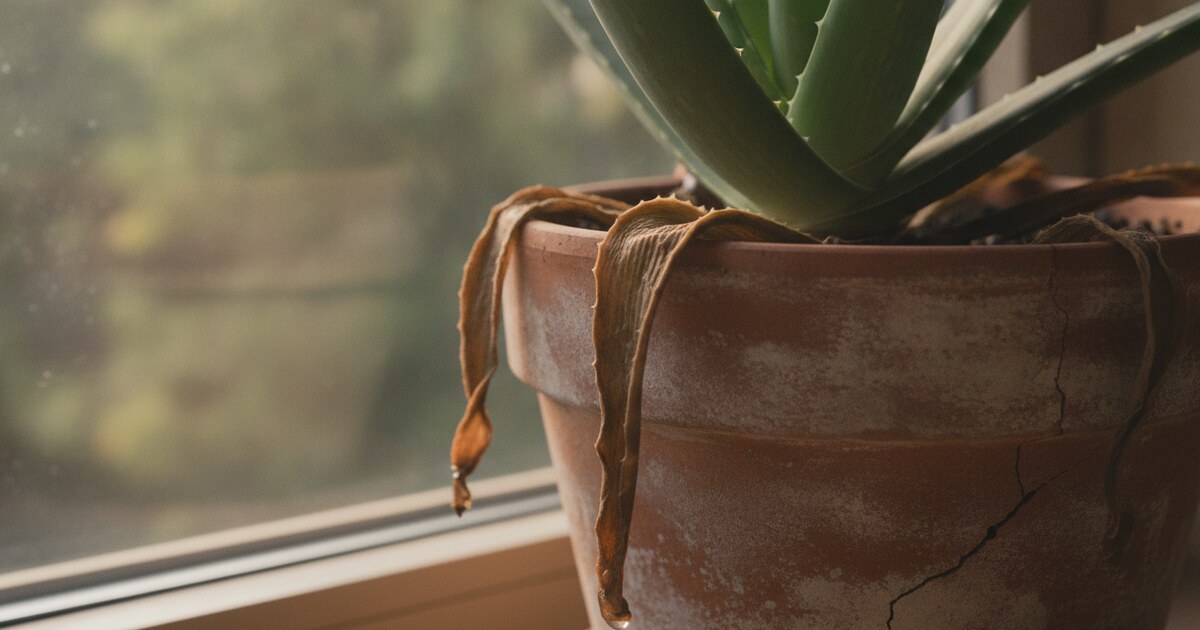
Aloe vera is supposed to be bulletproof. It handles drought, neglect, and mediocre light with barely a complaint. So when yours starts turning brown and going soft, something has gone seriously wrong — and in most cases, it’s happened faster than you’d expect.
The good news is that brown mushy aloe leaves are fixable in most situations, as long as you catch the problem before it reaches the base of the plant. This guide explains why your aloe plant is turning brown and mushy, how to distinguish overwatering from other causes, and the step-by-step process to bring it back.
An aloe plant turning brown and mushy is almost always caused by overwatering or root rot. Soggy soil suffocates the roots, preventing nutrient uptake, and the leaves develop soft, water-soaked patches that turn brown or black. Fix it by stopping all watering, letting the soil dry out completely, and repotting in fresh gritty soil if root rot has set in.
Brown and Mushy vs. Brown and Crispy: The Diagnostic Fork
Before you do anything, check the texture of the brown areas.
Mushy or soft brown means the tissue is waterlogged or decaying. Press a brown leaf between your fingers. If it collapses or feels wet inside, the problem is too much water, root rot, cold damage, or (rarely) a fungal infection.
Crispy or papery brown means the tissue has dried out. Stiff brown patches and tip burn point to sunburn, underwatering, or low humidity. A completely different set of causes and fixes applies.
Most articles lump both symptoms together. They’re separate problems with separate solutions. If your aloe is mushy, the sunburn and drought advice doesn’t apply to you.
Overwatering and Root Rot: The Main Cause of Mushy Aloe
Overwatering is behind roughly 80-90% of mushy aloe cases. Aloe vera stores water in its thick leaves and is built to handle weeks without rain in its native habitat. When you water it on a houseplant schedule, the roots sit in wet soil far longer than they can tolerate.
Waterlogged roots lose access to oxygen. Within days they begin to decay, and they can no longer deliver water or nutrients to the leaves. The leaves go pale, then soft, then brown or yellow-brown from the base outward. A foul smell from the soil confirms active root rot.
Aloe vera (Aloe barbadensis miller) is native to the Arabian Peninsula and North Africa, where annual rainfall averages 100-200mm and soils are sandy, alkaline, and fast-draining. In cultivation, aloe vera should receive water only when the top 2-3 inches of soil are completely dry, roughly every 2-3 weeks in summer and once every 4-6 weeks in winter. Overwatered aloe first shows brown, water-soaked spots at the leaf base that spread outward; in severe cases the entire stem goes soft and emits a foul odor, indicating Pythium or Phytophthora root rot. A pot without a drainage hole accelerates root rot by trapping water with no exit, and plastic or glazed ceramic pots compound the problem by blocking evaporation. Unglazed terracotta pots reduce root rot risk by wicking excess moisture through the pot walls. Recovery is possible if at least one third of the root system remains firm and white.
Three signs that confirm overwatering as the cause:
- The browning starts at the leaf base or center stalk, not the tips
- The soil smells sour or musty when you stick your finger in
- The leaves feel water-filled and collapse when pressed, rather than springing back
For a broader look at how to distinguish too much water from too little, see our guide to overwatered vs underwatered plant symptoms.
Other Causes of Brown Mushy Aloe Leaves
Overwatering is the main suspect, but a few other conditions produce the same mushy, browning appearance.
Cold damage. Aloe vera goes soft almost overnight when exposed to temperatures below 5°C (40°F). A cold draft from a window, a night left outside, or placement near an air conditioning vent can cause cold-shock browning. Leaves turn brown and develop a watery, mushy texture similar to frost damage on vegetables. If your aloe recently moved or spent a cool night outdoors, cold damage is likely the cause.
Low light. Plants in dark spots photosynthesize slowly, which means they use far less water than they would in bright conditions. Even a modest watering schedule becomes effectively an overwatering schedule because the soil stays wet for weeks. The fix involves two things: move the plant and cut back on water.
Fungal infection. Less common, but possible after repotting with non-sterile soil or in consistently humid conditions. Brown mushy patches appear mid-leaf rather than at the base and don’t correlate with recent watering. A copper-based fungicide applied to the soil can address active fungal disease.
How to Save an Aloe Turning Brown and Mushy
Work quickly. Root rot spreads fast once it takes hold.
Step 1: Stop watering immediately. Don’t water again until the plant is fully repotted and settling in. Continuing to water accelerates the decline.
Step 2: Unpot the plant. Gently remove the aloe from its pot and shake off as much old soil as you can from the roots.
Step 3: Assess the root damage. Healthy aloe roots are white or pale tan and firm. Rotted roots are brown, black, or gray and often smell foul. If you can find any firm white roots, the plant can be saved. If every root is black and the main stem is soft when you press it, recovery is unlikely.
Step 4: Trim away all rotted roots. Use clean, sharp scissors or pruning shears sterilized with rubbing alcohol. Cut back to firm, healthy tissue only. If you cut into a root and the center is mushy, keep cutting until you reach solid material.
Step 5: Let the root system dry. Set the bare plant in a warm, dry spot out of direct sun for 24-48 hours. This lets the cut ends callous over before going back into soil, which reduces re-infection risk.
Step 6: Repot in fresh gritty soil. Use a cactus or succulent mix combined with extra perlite at roughly a 2:1 ratio (two parts mix, one part perlite). A terracotta pot with a drainage hole is the best choice during recovery. Avoid glazed ceramic or solid plastic containers while the roots are rebuilding.
Step 7: Hold off on watering. Wait 7-10 days before the first post-repot watering. The roots need time to settle in dry conditions. After that, water only when the top 2-3 inches of soil are bone dry. In most homes that’s roughly every 2-3 weeks in warm months. A similar rescue approach works for other overwatered succulents. See how it applies to a cactus turning yellow and soft at the base.
Step 8: Move the plant to brighter light. A south or west-facing window works well. More light means faster soil dry-out and a lower chance of future root rot.
Is Your Aloe Still Saveable?
Press your thumb firmly into the base of the stem at soil level. If it’s firm and holds its shape, the plant still has viable tissue and is worth rescuing. If the entire stem collapses under light pressure, root rot has spread through the core.
One more test: trim a brown outer leaf back toward the stem. If the inner flesh is still green and gel-like, there’s living tissue. If the inside is brown and watery all the way through, that section is beyond recovery.
Don’t throw the plant out based on mushy outer leaves alone. Many aloe plants with several soft, brown leaves still have a solid core that recovers fully once the root problem is fixed. For a comparison of how root rot progresses in a different species, see our monstera root rot rescue guide.
How PlantlyAI Helps When You’re Not Sure What’s Wrong
Mushy brown leaves point strongly to overwatering, but the cause isn’t always clear. Cold damage leaves the same marks. So can certain fungal problems. If you’ve unpotted your aloe and the roots look healthy, the issue is probably environmental rather than root-related, and narrowing it down takes some detective work.
PlantlyAI diagnoses plant problems from a single photo. Take a close-up of the affected leaves and stem, and the app identifies whether the pattern matches overwatering, cold damage, fungal disease, or something else. It then gives you a step-by-step treatment plan with organic, biological, and chemical options so you can choose what suits your situation. It works for houseplants, garden plants, and vegetables — 2 free diagnoses per day, no account required to start.
Frequently Asked Questions
Why is my aloe vera turning brown and soft? The most common reason is overwatering leading to root rot. Aloe vera stores water in its leaves and needs soil to dry out completely between waterings. When roots sit in wet soil too long, they decay and can’t support the plant, causing leaves to go soft and brown from the base outward.
Can I save an aloe plant that’s turning mushy? Yes, in most cases. Remove the plant from its pot, trim away all black or brown rotted roots, let the roots air dry for 24-48 hours, then repot in fresh cactus mix with good drainage. The key sign that recovery is possible: at least some white, firm roots remain intact.
How often should I water aloe vera to prevent browning? Water only when the top 2-3 inches of soil are completely dry, roughly every 2-3 weeks in summer and once every 4-6 weeks in winter. Always use a pot with a drainage hole and empty any water sitting in the saucer within 30 minutes of watering.
What does aloe root rot look like? Rotted roots are black, brown, or gray, feel soft or slimy, and often smell foul. Healthy roots are white or pale tan and firm. When you unpot a plant with root rot, the soil typically smells sour, and the roots may pull away from the stem easily.
Can brown mushy aloe leaves recover? The mushy leaves themselves won’t recover. Once the tissue collapses, that leaf is gone. Remove damaged leaves by cutting them off at the base with clean scissors. New growth will emerge from the center of the plant if the root system is still viable.
Mushy brown aloe is almost always a watering problem, and that’s actually good news: it’s fixable with the right steps and some patience. Stop watering, check the roots, repot if needed, and give the plant brighter light. Most aloe plants stabilize within a few weeks of proper care and push out new growth within 6-8 weeks. If you’re still not sure what’s causing the damage, snap a photo with PlantlyAI for an instant diagnosis, 2 free scans a day, no signup needed.
Not sure what's wrong? Diagnose your plant free
Upload a photo to our free plant disease identifier and get an instant diagnosis.