How to Revive a Dying Boston Fern (6 Steps)
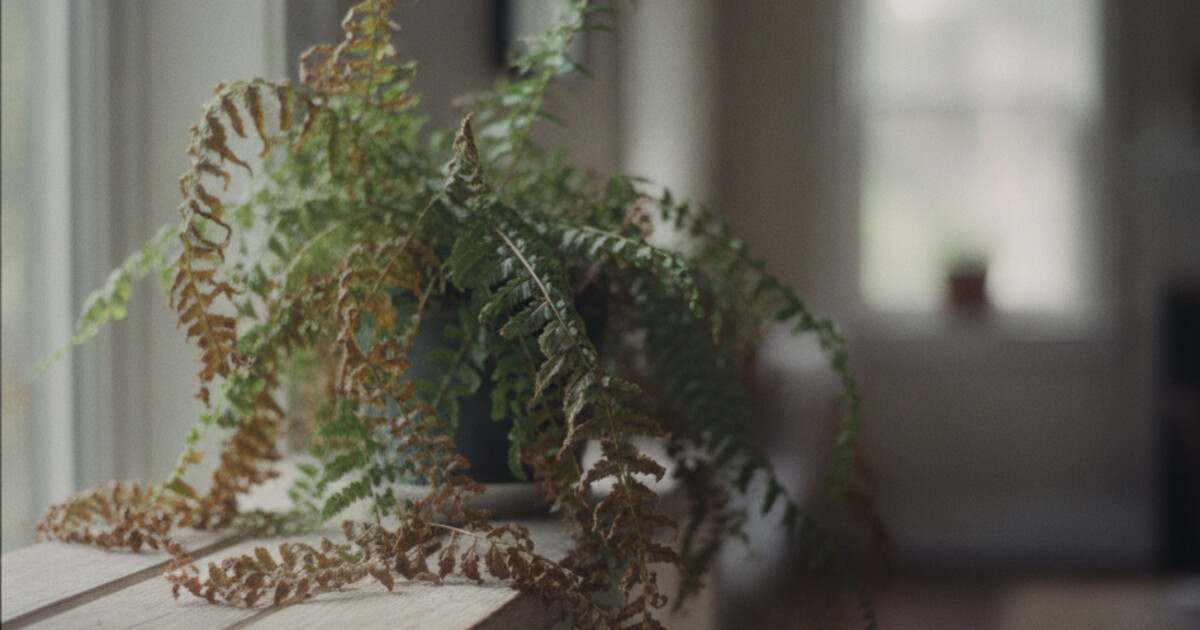
Your boston fern was lush and full last month. Now fronds are browning, dropping, or going a pale, papery yellow, and nothing you’ve tried seems to slow the decline. The frustrating part is that a dying boston fern often can’t tell you which problem it has: the symptoms overlap, and the wrong fix makes things worse.
Most boston ferns recover completely once you treat the right cause. This guide walks through how to identify what went wrong and the exact steps to bring the plant back.
Quick answer: To revive a dying boston fern, diagnose the cause first: brown crispy fronds signal low humidity or underwatering, while yellow fronds point to overwatering or root rot. Trim all dead fronds to the base, adjust watering, and raise humidity to 50-70%. Most ferns push new growth within 3-6 weeks.
Why Boston Ferns Die: Common Causes to Check First
Boston fern (Nephrolepis exaltata) problems almost always trace to one of four causes: humidity too low, watering too much or too little, too much direct sun, or root rot from poor drainage. Before you water or trim, spend a minute matching your plant’s symptoms to the right cause.
Boston ferns (Nephrolepis exaltata) are native to tropical rainforest floors across the Americas, from Florida and Mexico to Brazil and the West Indies, where humidity sits between 70-90% year-round. Indoors, they need at least 50% relative humidity to stay healthy; most homes drop to 20-30% in winter when heating runs, which is why so many ferns collapse between November and March. The optimal temperature range is 60-75°F (15-24°C), and fronds start dropping when nighttime temps fall below 55°F. Boston ferns need consistently moist but freely draining soil: the standard watering target is 1-2 inches per week, with no standing water at the pot base. A healthy fern produces new fronds every 2-3 weeks during spring and summer. Root rot sets in within 7-10 days of sitting in waterlogged conditions, moving faster at soil temperatures above 65°F.
Here’s how to read the symptom pattern:
- Brown, crispy fronds starting at the tips: Low humidity or underwatering. The fronds dry out from the edges inward.
- Yellow fronds that go limp: Overwatering. Roots can’t deliver nutrients from waterlogged soil.
- Washed-out pale green color: Too much direct sun bleaching the tissue.
- Fronds dropping while still green: Cold draft or temperature shock.
If you’re unsure whether your fern is over or underwatered, the overwatered vs underwatered plant guide covers how to tell the two apart across most common houseplants.
How to Revive a Dying Boston Fern: 6 Steps
Work through these steps in order. Steps 1-3 apply to almost every struggling fern. Steps 4-6 depend on your specific diagnosis.
Step 1: Trim the dead fronds
Cut any frond that’s more than 50% brown or yellow, right at the base. A stressed fern burns energy trying to maintain fronds it can’t save, and removing them redirects resources to new growth.
Use clean, sharp scissors. Dull blades crush stems instead of cutting cleanly. Don’t worry about being left with mostly bare runners (rhizomes) at the soil surface: new fronds push from the rhizomes, not from old stems, so a heavily trimmed fern looks more dramatic than it actually is damaged.
Step 2: Rehydrate if underwatered
If the soil is bone dry and pulling away from the pot edges, set the pot in a basin of room-temperature water for 30-45 minutes. Bottom-watering lets the whole root ball soak up moisture evenly, which works better than top-watering when the soil has gotten so compacted it repels water from above.
After soaking, lift the pot out and let it drain fully. Going forward, water when the top inch of soil feels dry, not on a fixed schedule.
Step 3: Boost humidity immediately
Misting raises humidity for about 20 minutes before it evaporates. Sustained humidity requires a different approach:
- Set the pot on a tray filled with pebbles and water. The water evaporates around the plant without sitting against the roots.
- Group the fern with other humidity-loving plants. Leaves release moisture through transpiration, raising humidity in the immediate area.
- Run a small humidifier nearby. Aim for 50-70% relative humidity during the growing season.
A cheap digital hygrometer next to the plant shows you what your space actually runs. Most heated homes sit at 20-30% in winter, well below the fern’s minimum.
Step 4: Fix the light
Boston ferns need bright, indirect light. A north or east-facing window is ideal. Direct afternoon sun burns fronds, causing brown tips many growers mistake for drought stress. A spot more than 6 feet from any window slows growth and makes the plant harder to pull back.
If the fern is in direct sun, move it or hang a sheer curtain between the plant and the glass.
Step 5: Treat root rot if present
If the soil smells like wet cardboard and the plant stays limp despite adjusted watering, tip the pot out and check the roots. Healthy roots are white to light tan. Rotted roots are brown, black, or slimy and fall apart when touched.
To treat it:
- Shake off all old soil and rinse the roots under cool water.
- Cut away every root that’s brown, mushy, or soft. Keep only firm, pale roots.
- Let the root ball air dry for 20-30 minutes.
- Repot in fresh mix: 2 parts standard potting soil to 1 part perlite for drainage.
- Water lightly, then wait until the top inch dries before watering again.
The guide on how to save monstera root rot covers the same pruning and hydrogen peroxide soak method that applies to ferns as well.
Step 6: Hold off on fertilizer
Fertilizer applied to a stressed plant burns already-damaged roots. The salt buildup from even a diluted feed can set back a recovering fern by weeks. Wait until you see new frond growth, then resume at half strength, once a month during spring and summer only.
Overwatered vs Underwatered Boston Fern: Telling Them Apart
The two most common causes of boston fern decline mimic each other early on. Here’s how to separate them:
| Underwatered | Overwatered | |
|---|---|---|
| Frond color | Brown, starting at tips | Yellow, often throughout |
| Soil | Dry, shrinking from edges | Wet days after watering |
| Texture | Dry and crispy | Limp and soft |
| Smell | Earthy | Musty or sulfurous |
| Pot weight | Noticeably light | Heavy |
When you’re still unsure, the pot weight test is the most reliable: lift the pot right after watering, then lift it again when you’d normally water next. You’ll feel the difference clearly within a week of paying attention.
Keeping Your Revived Boston Fern Alive
Once the fern pushes new growth, the focus shifts to consistent conditions rather than rescue.
Water when the top inch of soil dries out. In summer with strong light, that might mean every 2-3 days. In winter, heating slows transpiration and soil stays moist longer, sometimes for a week or more. Let the plant’s moisture level guide the schedule rather than a calendar.
Keep humidity above 50% year-round. A humidifier handles this reliably; the pebble tray alone usually falls short when indoor heating drops room air below 30%.
Repot every 2 years or when roots circle the bottom of the pot. Boston ferns root aggressively and get rootbound faster than most houseplants. A crowded root system stresses the plant and makes it more vulnerable to everything that caused the initial decline.
Keep the fern away from heating vents, air conditioning vents, and exterior doors. Temperature swings and dry air from vents undo humidity work immediately and can trigger another round of frond drop.
How PlantlyAI Can Help You Pinpoint the Cause
Sometimes the symptoms don’t line up with a single cause. Brown tips that could be low humidity, a pest, or fluoride from tap water. Yellow patches with a pattern that looks different from standard overwatering. Something on the fronds you can’t identify by sight.
PlantlyAI lets you photograph the affected fronds and get an AI diagnosis with a step-by-step treatment plan. It covers diseases, pests, and environmental problems across houseplants including ferns, and gives you organic, biological, and chemical treatment options based on what it identifies. Two free diagnoses per day, no account needed, available on iOS and Android.
If your plant is showing something unusual and you want a faster answer than searching forums, see which apps actually tell you what’s wrong with your plant for a breakdown of how these diagnosis tools work.
Frequently Asked Questions
Can a boston fern come back from completely brown fronds?
Yes, if the crown (the growing center at the soil surface) is still green and firm. Trim everything brown down to the base, fix humidity and watering, and wait 4-6 weeks. New fronds push from the rhizomes, not from old stems. If the crown is black and soft, the plant is past saving.
How long does it take to revive a dying boston fern?
Most ferns show new frond growth within 3-6 weeks of fixing the underlying problem. Full recovery to a dense, full plant takes 2-3 months. Humidity and watering corrections show results fastest. Recovery from root rot takes longer because the fern regrows root mass before putting energy into new fronds.
Why does my boston fern keep dying no matter what I try?
Low humidity is the most common culprit in heated homes. A fern in a house during winter can be fighting air drier than many desert climates. Correct watering does very little if the air is too dry. Run a hygrometer next to the plant and aim for 50-70% RH. A small humidifier is usually the single change that stabilizes everything else.
Should I cut all the brown fronds off a dying boston fern?
Cut any frond that’s more than 50% dead. Partial fronds cost the plant energy without contributing to photosynthesis. Be aggressive with pruning: the fern regenerates from its rhizomes at the soil surface, not from old stem tissue. A heavily trimmed fern recovers faster than one left with damaged fronds still attached.
Can I put my boston fern outside to help it recover?
In warm, humid weather above 60°F, yes. Outdoor shade gives bright indirect light and natural humidity usually higher than indoors. Keep the plant out of direct sun and bring it back inside before nighttime temperatures drop below 55°F. Avoid moving it outside during a heatwave or a particularly dry spell.
PlantlyAI’s photo diagnosis can help you confirm the cause before you start treatment. Snap a photo of the affected fronds, get a diagnosis and treatment plan in seconds, and start the right fix on the first try. Download PlantlyAI free on the App Store or Google Play.
Not sure what's wrong? Diagnose your plant free
Upload a photo to our free plant disease identifier and get an instant diagnosis.