Jade Plant Leaves Shriveling and Wrinkled: Causes & Fixes
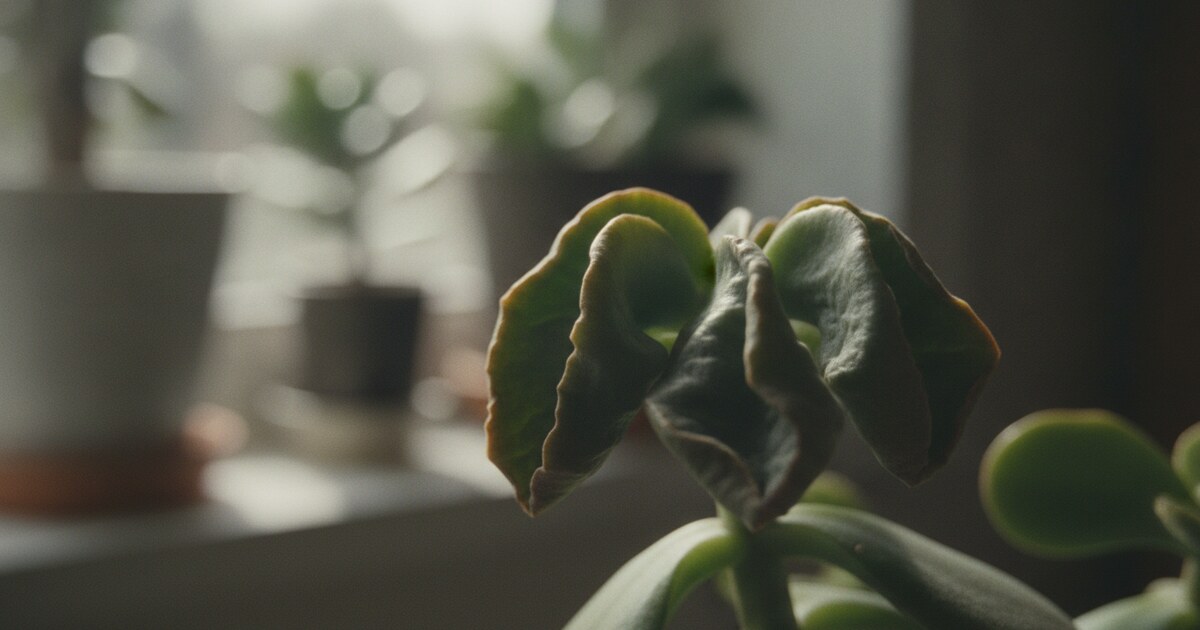
Jade plants are famously tough. A Crassula ovata can shrug off weeks of neglect, thrive in a sunny window, and outlast most other houseplants by decades. So when the leaves start looking wrinkled, shriveled, or deflated, it’s worth paying attention. The plant is telling you something shifted in its environment. The good news: almost every case of wrinkled jade leaves is fixable once you identify which of the five common causes is at play.
Jade plant leaves shrivel and wrinkle when leaf cells lose moisture faster than the roots can replace it. Underwatering is the most common cause, but overwatering, hydrophobic soil, excess sun, and dry air from vents all produce similar symptoms. The fastest diagnostic: underwatered leaves are wrinkled but firm; overwatered leaves are soft, mushy, or translucent.
Why Jade Plant Leaves Shrivel
Jade plants (Crassula ovata) are succulents native to the Eastern Cape and KwaZulu-Natal provinces of South Africa, and parts of Mozambique. They evolved in rocky, fast-draining soils with distinct wet and dry seasons, so their thick leaves function as internal water reservoirs. When watering, drainage, or environmental conditions go wrong, the plant pulls moisture from its own leaf cells. Those cells lose turgor pressure and the firm surface turns papery and wrinkled. Jade plants thrive at 65-75°F (18-24°C) during the day and 50-55°F (10-13°C) at night; they can live 70-100 years in cultivation when conditions stay right. Temperatures above 90°F on a summer windowsill, combined with direct afternoon sun, trigger the same moisture-deficit stress as drought. The difference: excess heat drives water loss through transpiration while drought limits supply. Both outcomes look identical on the leaf. Recovery from underwatering takes 2-3 watering cycles; root rot cases need 4-8 weeks after repotting.
Healthy jade leaves are plump, firm, and deep green, with a smooth, slightly shiny surface. They feel solid between your fingers. When they start to pucker from the tips inward, or lose that taut quality across the whole surface, one of the five causes below is responsible.
Underwatering: The Most Common Cause
If the leaves are wrinkled but still firm (not soft, not yellowing, just deflated and textured), underwatering is almost certainly the problem. Jade plants store water in leaf tissue, but that reserve depletes when watering intervals stretch too long. Once cells drop below a critical moisture level, the leaves pucker from the tips inward.
Signs of underwatering:
- Wrinkles start at the leaf tips and spread inward toward the stem
- Leaves feel leathery or slightly flexible, not mushy
- Soil is completely dry several inches down
- Lower leaves may yellow and drop before upper leaves shrivel
Fix: Water thoroughly until it drains freely from the drainage hole. Don’t trickle a little from the top. The entire root ball needs to wet through. If the soil is very dry and water runs straight out before soaking in, you may have hydrophobic soil (covered below). After a good soak, leaves should start to plump back up within 3-5 days. Full recovery to a smooth, firm surface takes about 2-3 watering cycles.
Going forward: water your jade every 14 days in spring and summer, and every 3-4 weeks in fall and winter. Check the top 2 inches of soil before each watering. If it’s still moist, wait a few more days.
Overwatering: When Wrinkling Comes With Soft Leaves
Overwatering also produces wrinkled leaves, but the texture and color give it away. When roots sit in waterlogged soil too long, they develop rot and can no longer move water up to the leaves. The plant looks drought-stressed for the same reason, but the leaves feel completely different to the touch.
Signs of overwatering:
- Leaves are soft, mushy, or translucent (not firm and leathery)
- Yellowing appears at the edges or across the whole leaf surface
- Soil stays wet for more than two weeks between waterings
- Stems feel squishy or soft near the soil line
Fix: Stop watering immediately. Lift the plant from its pot and inspect the roots. Healthy roots are white or tan and firm. Rotted roots are brown or black, mushy, and often smell unpleasant. Trim all rotted sections with clean scissors, let the root ball air-dry for 24 hours, then repot in fresh succulent/cacti mix. If you’re still unsure whether drought or overwatering caused the wrinkling, leaf feel is the fastest shortcut. The full breakdown of signs and fixes is in our guide to overwatered vs underwatered plant symptoms.
Hydrophobic Soil: When Watering Still Doesn’t Help
Some jade owners water on schedule and the leaves stay wrinkled for weeks regardless. The common explanation: the soil has gone hydrophobic. Peat-based mixes (found in most standard potting bags) become water-repellent when they dry out completely. The peat contracts and the surface acts like a barrier. Water flows around the dry mass and drains out the bottom hole without soaking into the root zone. The roots stay parched even though you watered.
Signs of hydrophobic soil:
- Water drains through the pot within seconds of pouring
- The soil has pulled away from the pot sides, leaving a visible gap at the edge
- You water regularly but leaves stay wrinkled and leathery
Fix: Place the pot in a basin of water for 10-15 minutes. Bottom-watering forces moisture in from below, bypassing the hydrophobic surface and fully wetting the root ball. After soaking, lift the pot out and let it drain completely. Long-term, switch to a proper succulent/cacti mix with perlite and coarse grit. These blends don’t become hydrophobic when dry, which is exactly what jade plants need.
Excess Sun and High Temperatures
Jade plants like bright light, but prolonged afternoon sun through a south- or west-facing window in summer drives moisture loss faster than the roots can supply. The effect is functionally the same as drought: leaves shrivel because the plant is losing water through transpiration faster than it can bring it in.
Temperatures above 90°F (32°C) at the leaf surface are common on sun-exposed glass in summer. Some direct morning sun (4-6 hours) is healthy. It’s the intense afternoon exposure that tips the plant into trouble, especially when summer heat compounds the effect. If wrinkling appears seasonally in summer and the leaves look otherwise healthy (no yellowing, no mushiness), heat and sun exposure are the likely cause.
Fix: Move the plant 2-3 feet back from the window, or switch it to a bright east-facing spot with morning sun instead of afternoon. If relocation isn’t possible, a sheer curtain during peak afternoon hours (roughly 2-5 pm) cuts intensity without eliminating light. Leaves typically begin recovering once the heat stress lifts.
Dry Air and Drafts from Vents
Direct airflow from an AC vent, heating register, ceiling fan, or drafty window strips moisture from the leaf surface faster than the plant can replenish it from the roots. It’s the same mechanism that causes wrinkling in other succulents kept indoors. Similar to what happens with hoya leaves wrinkled and shriveled and string of pearls shriveling, any succulent placed in a direct airstream loses leaf moisture at an accelerated rate, even when soil moisture is adequate.
Signs of air draft stress:
- Wrinkling is one-sided, concentrated on branches or leaves facing the vent
- Other parts of the plant look healthy and normal
- The problem worsens seasonally with AC in summer or heating in winter
Fix: Move the plant at least 3-4 feet away from any vent, fan, or drafty window frame. Jade plants tolerate normal indoor humidity (30-50%) without trouble, but targeted airflow directly hitting the foliage is a different problem entirely. Once relocated, the affected leaves should start to recover over the next few weeks.
Quick Diagnostic Guide
Before you water, repot, or relocate anything, run through this:
- Leaves wrinkled and firm, soil bone dry: underwatering
- Leaves soft or mushy, wrinkled, with yellowing: overwatering or root rot
- Water drains instantly, leaves stay wrinkled despite regular watering: hydrophobic soil
- Wrinkling appears during summer or after heat spells: excess sun or heat
- Only certain branches shriveling and plant sits near a vent: air draft
Leaf feel is the fastest shortcut. Firm and wrinkled means drought stress. Soft and wrinkled means too much water or root rot. Once you know which it is, the fix is straightforward.
When multiple stressors overlap (mediocre soil, a sunny window, and erratic watering all at once), a photo diagnosis helps cut through the guesswork. PlantlyAI reads the visual cues in your photo (where the wrinkling starts, whether yellowing is present, how the leaf texture looks) and gives you a specific diagnosis with a step-by-step treatment plan, including organic and chemical options. Free to start with 2 diagnoses a day, no account needed.
Frequently Asked Questions
Will wrinkled jade plant leaves recover?
Yes, in most cases. Underwatered leaves typically plump back up within 3-5 days of a thorough watering, with full recovery over 2-3 watering cycles. Overwatered plants need root trimming and repotting first; recovery takes longer, usually 4-8 weeks before leaves return to a firm, healthy appearance.
Why are my jade plant leaves still wrinkled after watering?
The most likely cause is hydrophobic soil. Dry peat-based potting mix repels water rather than absorbing it, so irrigation runs through the pot without reaching the roots. Place the pot in a basin of water for 10-15 minutes to hydrate the root ball from below, then switch to a succulent/cacti potting mix going forward.
Can jade plants recover from root rot?
Yes, if caught before the stems collapse. Remove the plant from its pot, trim all soft, brown, or black roots with clean scissors, and let the root ball air-dry for 24 hours. Repot in fresh, well-draining succulent mix and wait 2 weeks before watering again to give the damaged roots time to stabilize.
How often should I water a jade plant?
Every 14 days in spring and summer, and every 3-4 weeks in fall and winter. Always check the soil first: the top 2 inches should be dry before you water. Jade plants tolerate drought far better than overwatering, so when in doubt, wait another few days.
What do healthy jade plant leaves look like?
Healthy jade leaves are thick, plump, and firm, with a smooth, slightly shiny surface. The color is deep green, sometimes with reddish edges when the plant receives strong light. Leaves should feel solid between your fingers, not papery, rubbery, or soft and squishy. If they’ve lost that quality, one of the five causes above is at work.
Jade plant leaves shriveling and you’re not sure which cause is behind it? Photograph your plant with PlantlyAI and get a diagnosis in seconds. The app identifies whether it’s underwatering, root rot, hydrophobic soil, or another cause, then walks you through a step-by-step fix. Download free on iOS or Google Play, with 2 free diagnoses per day and no account needed.
Not sure what's wrong? Diagnose your plant free
Upload a photo to our free plant disease identifier and get an instant diagnosis.