Why Are My Plant Leaves Curling? 8 Causes and Fixes
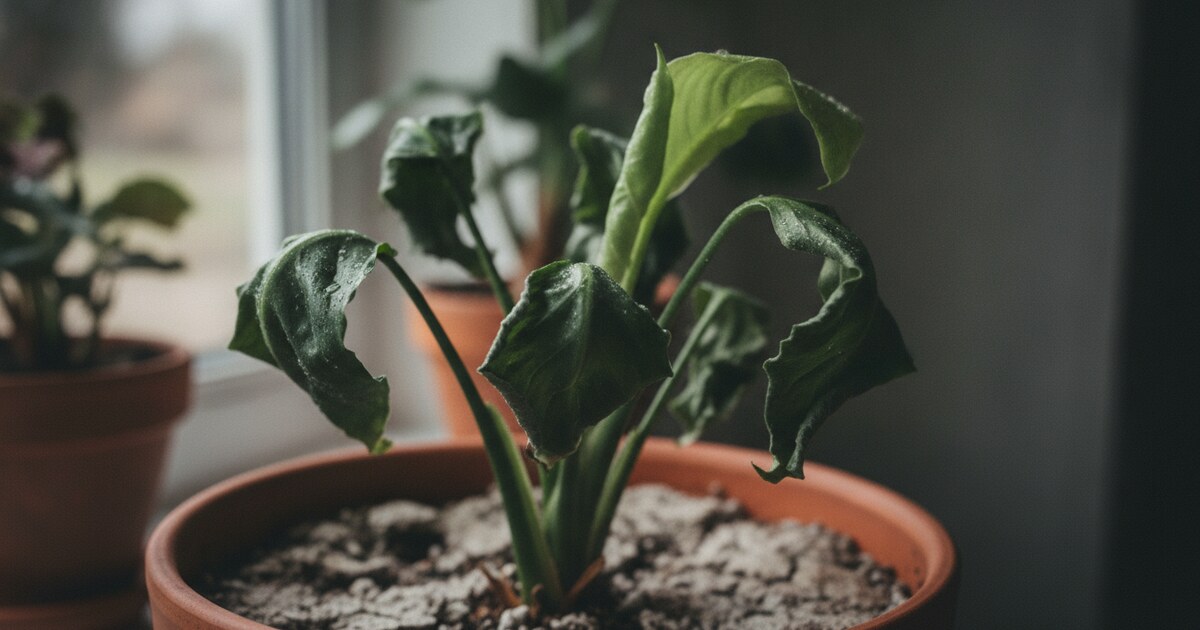
Your plant was fine last week. Now the leaves are rolled tight, cupped inward, or curling along the edges. Leaf curl is one of the most common reasons people search “why are my plant leaves curling” — and it can mean several different things depending on the direction of the curl, the plant species, and what’s happening with the soil or roots.
The good news: most cases are reversible once you catch the cause. The tricky part is that the same visual symptom can come from opposite problems. Watering more when the real culprit is overwatering will make things worse, not better.
This guide covers the 8 most common causes, how to read the direction of the curl as your first diagnostic clue, and what to do for each one.
Quick answer: Plant leaves curl from 8 main causes: underwatering, low humidity, heat stress, overwatering, pests, root problems, nutrient imbalance, or cold drafts. Leaves curling inward or upward usually signal drought or heat. Leaves curling downward more often point to overwatering, root damage, or pest feeding. Check soil moisture and curl direction first to narrow it down.
Why Are Plant Leaves Curling? The Mechanics Behind It
Leaf curl is a physical defense mechanism. When a plant detects drought, heat, or root damage, cells on the underside of the leaf contract faster than cells on the top surface, causing the blade to curl upward or inward. This reduces the exposed surface area and slows water loss through transpiration.
Depending on the cause, the curl direction shifts. Underwatered plants and those in low humidity typically curl upward or inward, rolling the leaf lengthwise to cut down on transpiration. Overwatered plants and those with root rot curl downward because root damage restricts the plant’s ability to move water up through the stem, creating a hydraulic deficit that causes the blade to cup and droop. Pest feeding from aphids, spider mites, and thrips causes localized curling or distortion because the insects remove cell contents, leaving puckered or wrinkled tissue. Temperature shock and nutrient burn produce a distinct “claw” curl, typically at the leaf tips or margins, while rootbound plants curl uniformly as water and nutrient delivery becomes restricted across the whole root system.
Leaves Curling Up vs. Curling Down: What the Direction Tells You
The direction of the curl is your fastest diagnostic tool. Before checking anything else, note which way the leaf is bending.
Leaves curling up or inward (rolling lengthwise like a tube) typically mean: underwatering, low humidity, heat or direct sun stress, or sometimes spider mites or thrips.
Leaves curling down (edges bending toward the soil) typically mean: overwatering or root rot, aphid feeding along the margins, nutrient burn or salt buildup, or excess heat at the roots.
A cupping-downward shape at just the leaf tip — the “claw” — is a classic sign of nitrogen toxicity or overfeeding. Twisting or distorting with no clean direction usually points to mites, aphids, or thrips feeding on new growth, or herbicide drift on outdoor plants.
Keep in mind that a plant can show both directions at once if multiple problems overlap. Check the soil moisture first. It rules out the two most common causes quickly.
8 Causes of Curling Plant Leaves (and How to Fix Each)
1. Underwatering
When soil dries out too much between waterings, the plant pulls water from the leaves. Cells deflate, and the blade curls inward or upward to reduce the surface area exposed to air.
Look for: dry, crispy leaf edges, soil that’s bone dry 2 inches down, and a pot that feels light when you lift it. Leaves may also droop.
Fix: Water thoroughly until it drains from the bottom, then let the top inch of soil dry before the next watering. For very compacted soil that repels water, soak the pot in a basin for 20 to 30 minutes to fully rehydrate the root zone. Leaves on drought-stressed plants often uncurl within a few hours of a good drink.
2. Low Humidity
Many houseplants — especially tropical species like calatheas, hoyas, and orchids — evolved in humid environments. Indoor air with heating or air conditioning running can drop below 30% relative humidity. At that level, leaves curl at the edges to slow moisture loss.
Look for: curl at the leaf margins rather than the full blade, crispy edges, and leaves that briefly uncurl after misting then roll back within hours.
Fix: Group plants together (shared transpiration raises local humidity), place pots on a pebble tray filled with water without submerging the roots, or run a small humidifier nearby. Calatheas are especially sensitive to dry air — see our full guide on calathea leaves curling for a species-specific breakdown.
3. Heat and Direct Sun Stress
When a plant overheats or gets hit by harsh afternoon sun, it curls leaves to reduce the surface area taking in heat and light. This often happens suddenly after a plant is moved near a brighter window or during a summer heatwave.
Look for: curl that appears in the afternoon when sun is strongest, with leaves facing the glass curling more than those in shade. If the soil is moist, you can rule out underwatering.
Fix: Move the plant back from the glass or add a sheer curtain to filter the light. Keep plants at least 3 feet from heating vents. Most recover quickly once they’re out of the hot zone.
4. Overwatering
Overwatered plants curl downward, a different pattern than drought stress. When roots sit in waterlogged soil, oxygen levels drop and roots begin to die. Damaged roots can’t deliver water properly, causing the leaf blade to cup downward.
Look for: soil that stays wet for more than a week, lower leaves yellowing before curling, a pot that feels heavy, and possibly a musty smell from the soil.
Fix: Let the soil dry out substantially before watering again. Tip the plant out of its pot to check the roots. Soft, brown, mushy roots mean root rot. Trim the damaged sections, let the roots air dry for 30 minutes, then repot in fresh, well-draining soil. Our overwatered vs underwatered plant guide covers how to tell the two apart when symptoms overlap.
5. Pests
Several common houseplant pests cause leaf curling by feeding on plant sap or new growth. Aphids cluster on leaf undersides and along new stems, causing leaves to cup downward and distort along the edges. Spider mites create a stippled, gritty texture on leaf surfaces, then the leaf curls or puckers — look for fine webbing between stems. Thrips feed on new growth, causing newly opened leaves to come out twisted or crinkled rather than flat. Broad mites are nearly invisible but cause the most dramatic distortion: new growth comes in small, twisted, and deformed.
Look for: tiny insects, webbing, moving specks, white or black dots, or silvery streaking when you inspect leaf undersides with a magnifying glass.
Fix: Isolate the plant immediately to prevent spread. Wipe leaves with a damp cloth to remove insects, then treat with neem oil or insecticidal soap every 5 to 7 days for 3 weeks. Spider mites respond well to a firm shower first to dislodge them before treatment.
6. Root Problems
Plants crammed into small pots eventually run out of room. A rootbound plant can’t absorb water fast enough to meet demand, even when the soil is moist, so leaves curl. Roots circling inside the pot restrict water flow to upper leaves first.
Look for: roots growing out of drainage holes, soil that dries out within 1 to 2 days, and a plant that looks too large for its container.
Fix: Repot into a container 2 inches larger in diameter with fresh potting mix. Water well after repotting and keep the plant out of direct sun for a week while it settles. Note that root rot from overwatering causes a similar restriction on water delivery, but here the soil stays wet rather than drying fast — if that’s the case, follow the overwatering fix above.
7. Nutrient Imbalance
Two nutrient issues cause leaf curl in different ways. Deficiency produces pale, curling new growth. Calcium deficiency specifically causes new leaves to cup or curl inward before they fully expand, coming in small and crinkled rather than opening flat.
Salt buildup from over-fertilizing causes a downward “claw” curl at the leaf tips and margins. You may see a white crust forming on the soil surface after months of fertilizing without flushing.
Fix for deficiency: Use a balanced liquid fertilizer at half-strength. For suspected calcium deficiency, look for a fertilizer that includes calcium and magnesium.
Fix for salt buildup: Flush the soil by watering heavily 3 to 4 times in succession, letting the excess drain fully between passes. This leaches accumulated salts out through the drainage holes.
8. Cold Drafts and Temperature Shock
Plants near drafty windows, air conditioners, or exterior doors often develop curling leaves from sudden temperature swings. Cold air also lowers the humidity directly around the plant, compounding the effect.
Look for: curl on leaves closest to the window or vent, with the problem getting worse in winter or when the AC runs heavily.
Fix: Move the plant away from the draft source. Most houseplants prefer temperatures between 60 and 85°F and don’t tolerate drops below 50°F well. Even plants that handle low light will struggle against cold drafts.
How PlantlyAI Helps You Diagnose Leaf Curl
The hardest part of leaf curl is that 3 or 4 different problems can look nearly identical. Overwatering and underwatering both cause curling. Pests and nutrient deficiency both cause distorted new growth. Even experienced gardeners get it wrong when symptoms overlap.
PlantlyAI cuts through the guesswork. Take a photo of the curling leaf — top and bottom — and the app identifies the likely cause and walks you through a step-by-step treatment plan. It covers houseplants, vegetables, trees, and garden plants, so whether your lemon tree’s leaves are curling or your pepper plant is showing distress, you get a specific diagnosis rather than a generic checklist. Organic, biological, and chemical treatment options are included so you can pick what works for your situation.
Two free diagnoses per day, no account required. Download PlantlyAI on iOS or Android and snap a photo of the leaves.
Frequently Asked Questions
Why are my plant leaves curling inward?
Leaves curling inward usually mean the plant is losing water faster than it can absorb it. Underwatering is the most common cause, but low humidity and heat stress produce the same inward curl. Check soil moisture first. If it’s dry 2 inches down, water thoroughly. If the soil is moist, check how close the plant is to a heat source or window and whether the indoor humidity is below 40%.
Can leaves uncurl once the problem is fixed?
Yes, in most cases. Leaves that curled from underwatering often uncurl within hours to a day after a thorough watering. Leaves damaged by pests or root rot may stay deformed, but new growth that comes in after you fix the underlying problem will be normal. Don’t remove curled leaves unless they’ve gone fully brown — they’re still contributing to photosynthesis.
Why are my plant leaves curling down?
Downward curl typically signals overwatering, root rot, or heavy pest pressure, especially aphids feeding along leaf margins. It can also come from fertilizer salt buildup, which shows as a “claw” curl at the tips. Check whether the soil is staying wet too long, inspect leaf undersides for insects, and look for white crust on the soil surface.
Why are only the new leaves curling?
New growth curling or coming out twisted almost always points to pest damage from thrips, broad mites, or aphids on emerging shoots, or a calcium deficiency that prevents cells from expanding normally. Check the newest leaves carefully under magnification for tiny pests. If you see nothing, try a dose of fertilizer that includes calcium and magnesium.
Do specific plants curl for specific reasons?
Yes. Calatheas curl almost exclusively from low humidity or underwatering. Hoyas curl from underwatering or dry air. Pepper plants curl in response to aphids, broad mites, or heat stress. Lemon trees curl from drought, pests, or cold drafts. See our plant-specific guides on lemon tree leaves curling and pepper plant leaves curling for more detailed diagnosis steps.
Not sure what's wrong? Diagnose your plant free
Upload a photo to our free plant disease identifier and get an instant diagnosis.